
The Quiet Cost of Slips and Falls in Commercial Facilities
Slip-and-fall incidents are one of the most common—and most expensive—causes of liability claims across commercial, institutional, and industrial facilities. While spills, moisture, and foot traffic are unavoidable realities, the financial consequences of a single fall are not.
Industry data consistently shows that a single slip-and-fall claim can exceed $30,000–$50,000 once medical costs, legal fees, settlements, and insurance adjustments are factored in. That figure often climbs higher when indirect costs are included, such as employee downtime, retraining, OSHA recordables, and reputational damage.
What makes slips especially dangerous from a risk perspective is their predictability. Most occur in known high-risk areas—entrances, restrooms, kitchens, production zones, and transition spaces—yet many facilities still rely on signage and routine cleaning alone.
Why “Clean” Floors Still Fail Safety Standards
A visually clean floor is not necessarily a safe one. Slip resistance is governed by the Coefficient of Friction (COF)—a measurable indicator of how much traction exists between footwear and the floor surface.
Many common flooring materials, including tile, vinyl, and sealed concrete, experience a sharp drop in COF when exposed to moisture, oils, or detergent residue. In practical terms, this means a floor can look pristine while quietly becoming a liability.
Temporary measures such as warning signs, floor mats, or frequent mopping may reduce risk at the margins, but they do not address the underlying physics of traction loss. Long-term safety requires surface-level intervention, not just behavioral controls.
Also Read 👉🏻How Can Hospitality Facilities Prevent Slip-and-Fall Accidents?
How Anti-Slip Floor Coatings Actually Reduce Risk
Anti-slip floor coatings and traction-enhancing treatments work by modifying the surface at a microscopic level to increase grip without compromising cleanability or appearance.
PERMA’s Anti-Slip Floor Care solutions are designed to integrate directly into existing maintenance programs while measurably improving slip resistance across high-risk environments.
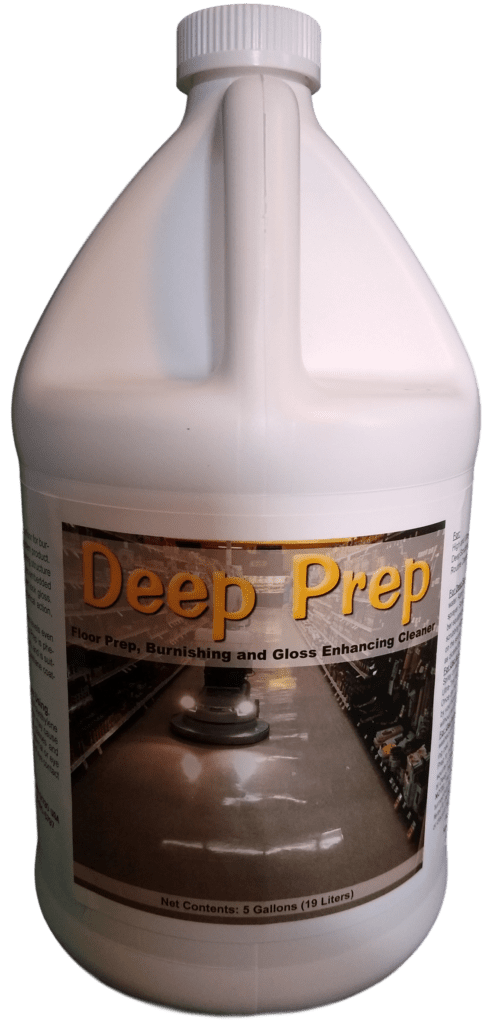
PERMA Deep Prep Cleaner
This heavy-duty preparation cleaner removes embedded oils, residues, and contaminants that prevent coatings and traction treatments from performing effectively. Proper surface preparation is critical; without it, even the best coating systems fail prematurely.
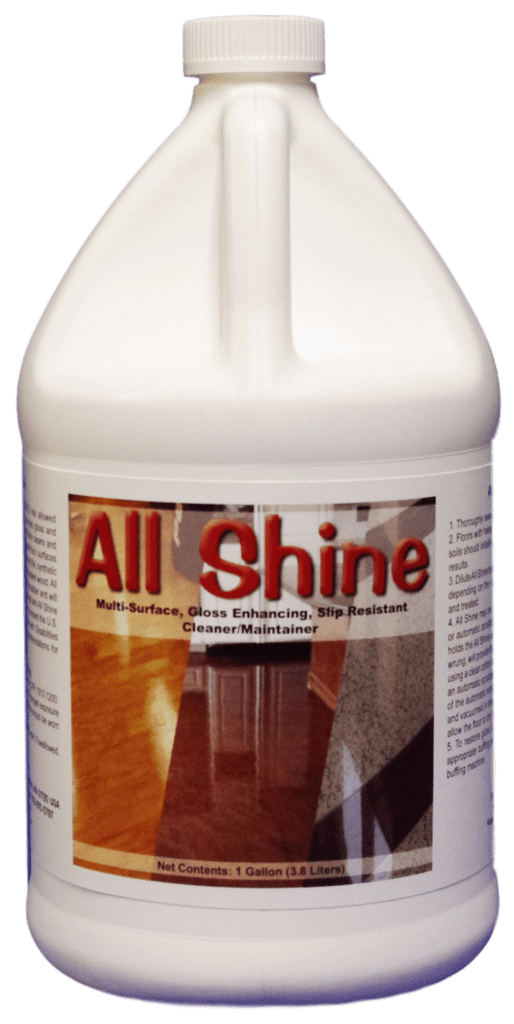
PERMA All Shine Traction Cleaner
A dual-function cleaner and traction enhancer engineered for finished floors that are burnished or polished. It increases surface friction while maintaining gloss and reducing the need for disruptive safety retrofits.
 PERMA Traction Clean Degreaser
Designed for kitchens, foodservice areas, and industrial spaces where grease accumulation is a constant hazard. By removing slippery contaminants that standard cleaners leave behind, this product restores traction where slip incidents are statistically most likely to occur.
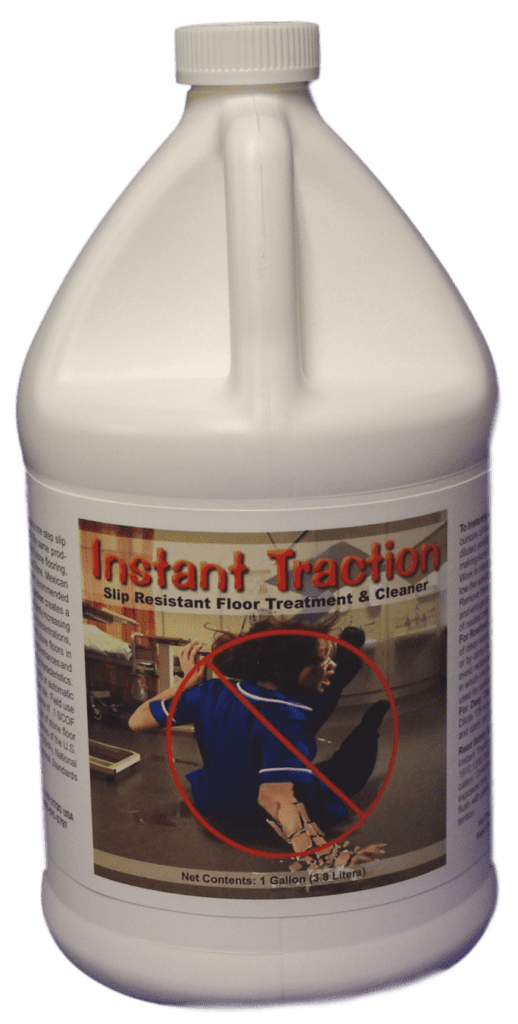
PERMA Instant Traction for Tile
This solution creates a micro-textured surface profile on tile and similar hard flooring materials, improving slip resistance without altering the floor’s appearance. It is particularly effective in wet zones where coatings alone may be insufficient.
Together, these products form a systematic anti-slip strategy, not a one-off treatment.
The Financial Math Behind Slip-and-Fall Prevention
From a financial standpoint, anti-slip floor coatings are best understood as risk-reduction investments, not maintenance expenses.
Consider a conservative scenario:
- Average slip-and-fall claim: $35,000
- Insurance premium increases following a claim: ongoing
- Cost of implementing a targeted anti-slip floor care program: a fraction of one claim
Preventing even a single incident can offset the entire investment—often multiple times over. Unlike reactive legal costs, safety improvements are predictable, budgetable, and controllable.
For executives, facility managers, and risk officers, this transforms the conversation from “What does this cost?” to “What does this prevent?”
Also Read 👉🏻Your Floors are About to Become a Great Deal More Hazardous, Are you Insured?
Legal Defensibility and Insurance Impact
Courts and insurers increasingly evaluate whether organizations took reasonable, proactive steps to mitigate known hazards. Documented use of traction-enhancing floor care products strengthens a company’s ability to demonstrate due diligence.
Facilities that implement structured anti-slip programs may also see:
- Improved insurance underwriting outcomes
- Reduced claim frequency
- Stronger defense positions during litigation
Safety investments that are measurable and repeatable carry weight well beyond the floor itself.
Where Anti-Slip Programs Deliver the Highest ROI
Anti-slip floor care is especially impactful in environments with predictable moisture, contaminants, or heavy foot traffic:
- Healthcare facilities, where patient and staff mobility intersects with frequent wet cleaning
- Hospitality and foodservice, where grease and moisture are constant
- Retail and public buildings, where liability exposure scales with foot traffic
- Manufacturing and industrial sites, where OSHA exposure compounds financial risk
In each case, traction improvement directly correlates with reduced incident probability.
Safety That Pays for Itself
Anti-slip floor coatings rarely attract attention—until an accident happens. That invisibility is precisely what makes them powerful. They work quietly, continuously, and predictably, reducing risk day after day.
When implemented as part of a comprehensive floor care strategy, PERMA’s anti-slip solutions convert one of the most common sources of liability into a managed, defensible, and financially sound safety asset.
In risk management, the smartest investments are often the ones you never have to explain after the fact.
Also Read 👉🏻What Are The Benefits Of Anti Slip Coatings?
(FAQs)
1. How effective are anti-slip floor coatings at preventing accidents?
They significantly increase surface traction, reducing slip probability—especially in wet or greasy conditions.
2. Can floor cleaners really improve slip resistance?
Yes. Traction-enhancing cleaners remove residue and actively increase COF when properly formulated.
3. Are anti-slip coatings permanent?
Most are long-lasting but require maintenance integration for sustained performance.
4. Do anti-slip treatments change floor appearance?
High-quality systems improve traction without altering visual finish.
5. Are slip-and-fall claims really that expensive?
Yes. Medical costs, legal fees, and insurance impacts regularly exceed tens of thousands of dollars.
6. Can these products be used in occupied facilities?
Yes. PERMA products are designed to minimize downtime.
7. Do anti-slip floors help with insurance claims?
They strengthen documentation of proactive risk mitigation.
8. Is signage enough to prevent slips?
No. Signage addresses behavior, not surface physics.
9. What areas should be treated first?
Entrances, restrooms, kitchens, and transition zones.
10. Is anti-slip floor care industry-specific?
No. It scales across healthcare, hospitality, retail, and industrial environments.