
Slip-and-Fall Prevention in Hospitality: A Floor Safety Playbook for Facility Managers
Slip-and-fall prevention in hospitality depends on removing grease and soils that reduce traction while maintaining floor surfaces designed to resist slipping under wet conditions. Using the right degreasers, slip-resistant cleaners, and non-slip coatings helps facility managers reduce accidents, improve compliance, and maintain safer floors across high-traffic hotel and foodservice environments.
Why “Clean” Floors Still Cause Slips
In hospitality, floors can look spotless and still be dangerous. This is one of the most frustrating realities for facility managers. The problem isn’t usually visible dirt — it’s residual films, grease micro-layers, and moisture interacting with smooth surfaces.
Traditional cleaners often remove surface soils but leave behind surfactant residue that lowers the coefficient of friction (COF). Add water, grease, or foot traffic, and the floor becomes a liability. In kitchens, bars, dish rooms, and service corridors, this risk multiplies quickly.
Slip-and-fall incidents are one of the leading causes of workplace injuries in hospitality. They bring claims, downtime, staffing challenges, and brand risk. Preventing them requires a system, not just a mop.
Also Read 💦Can I Put Anti Slip Coatings On Laminated Plank Floors
The Three Pillars of Hospitality Floor Safety
Effective slip-and-fall prevention rests on three connected strategies:
- Grease and soil removal
- Traction-supportive cleaning
- Surface protection through coatings
When one is missing, the system fails.
Pillar 1: Removing the Soils That Cause Slips
Grease is the enemy of traction. In hospitality environments, it comes from cooking oils, food proteins, body oils, beverages, and tracked-in contaminants. If grease isn’t fully broken down and removed, it spreads invisibly with every mop pass.
Perma Product Tie-Ins
-
#110 Clean-All – A versatile all-purpose cleaner and degreaser designed to remove everyday food soils from hard surfaces without harsh abrasives. Ideal for routine floor and surface cleaning across kitchens and service areas.
-
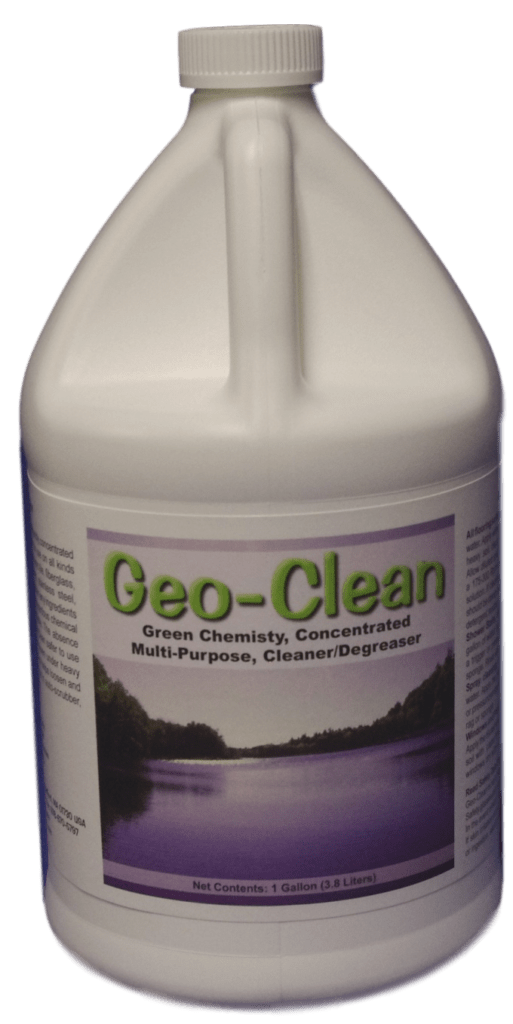
#180 Geo-Clean Cleaner & Degreaser – A concentrated, environmentally responsible degreaser that loosens oils and soils on tile, concrete, and sealed floors, making it easier to fully remove grease films.
-
#155CL Grease Strip CL – A heavy-duty, chlorinated degreaser formulated for deep grease removal in high-load areas such as cook lines, exhaust zones, and heavily soiled floors.
Why it matters:
If grease isn’t fully removed, no amount of signage or staff training will prevent slips. Proper degreasing is the foundation of floor safety.
Pillar 2: Cleaning That Supports Traction (Not Against It)
Many facilities unknowingly sabotage floor safety by using cleaners that leave behind slick residues. Floors may look shiny, but that shine often comes at the cost of traction.
Slip-resistant cleaning focuses on maintaining or improving COF while removing soils. This is especially critical in wet zones like kitchens, bars, dish rooms, locker rooms, and entryways.
Perma Product Tie-Ins
-
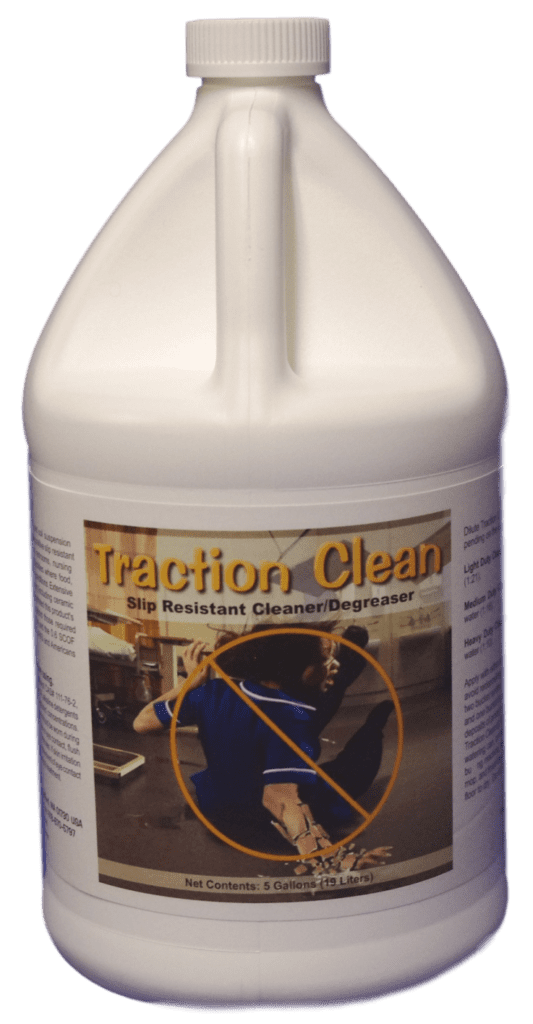
#100 Traction Clean Slip-Resistant Cleaner/Degreaser – Designed to remove grease while positively influencing floor traction. This cleaner supports safer walking surfaces during and after cleaning, helping facilities maintain traction even under wet conditions.
Why it matters:
Traction-focused cleaning reduces near-misses, improves employee confidence, and aligns with safety guidance from organizations like OSHA and the National Floor Safety Institute.
https://perma.com/anti-slip-floor-care/
Pillar 3: Non-Slip Coatings for Long-Term Risk Reduction
Cleaning alone cannot solve every slip hazard — especially on smooth tile, polished concrete, or worn surfaces. In high-traffic hospitality environments, non-slip coatings add a durable layer of protection.
These coatings increase surface texture and grip, helping floors maintain traction even when moisture or grease is present. They also protect the underlying substrate, extending floor life and reducing long-term maintenance costs.
Perma Product Tie-Ins
-
Perma Anti-Slip Floor Coatings – Engineered to improve traction on commercial floors while standing up to frequent washdowns, chemicals, and heavy foot traffic. Ideal for kitchens, service corridors, and other slip-prone hospitality spaces.
Why it matters:
Coatings turn floor safety from a daily battle into a built-in feature. For facility managers, that means fewer incidents, fewer complaints, and fewer emergency fixes.
High-Risk Hospitality Zones That Demand a System
Certain areas deserve extra attention:
- Commercial kitchens and cook lines
- Dishwashing and prep areas
- Bars and beverage stations
- Service corridors and loading zones
- Entrances exposed to moisture or grease transfer
In these spaces, combining degreasers + traction cleaners + coatings delivers the most consistent safety results.
Also Read 💦Your Floors are About to Become a Great Deal More Hazardous, Are you Insured?
A Simple Floor Safety SOP for Facility Managers
A practical approach looks like this:
- Daily: Degrease and clean with traction-supportive cleaners
- Weekly: Inspect high-risk zones for residue buildup and traction loss
- Quarterly: Deep degrease and evaluate coating performance
This system reduces reliance on warning signs and reactive fixes.
Why Traction and Cleanability Must Work Together
A floor that is hard to clean will eventually become unsafe. A floor that is easy to clean but slick is just as dangerous. Hospitality leaders who prioritize both reduce labor strain, improve safety metrics, and create environments where staff can move confidently and efficiently.
Conclusion: Floor Safety by Design, Not by Accident
Slip-and-fall prevention in hospitality isn’t about one product — it’s about designing safety into everyday maintenance. By removing grease effectively, cleaning in ways that support traction, and reinforcing surfaces with non-slip coatings, facility managers can dramatically reduce risk.
Perma’s degreasers, traction-focused cleaners, and anti-slip coatings give hospitality facilities the tools to move from reactive safety measures to proactive floor safety systems — cleaner floors, safer staff, and fewer surprises.
FAQs: Slip-and-Fall Prevention in Hospitality
1. What causes most slip-and-fall accidents in hospitality facilities?
Most slip-and-fall accidents are caused by grease, moisture, and cleaning residue on floors. High foot traffic and frequent spills in kitchens, bars, and service areas increase the risk when traction is reduced.
2. Why do floors feel slippery even after they are cleaned?
Floors often feel slippery after cleaning because some cleaners leave behind residue that lowers traction. If grease films are not fully removed or surfactants remain on the surface, the floor can become slick when wet.
3. How does grease affect floor traction in commercial kitchens?
Grease forms a thin, invisible layer on floors that reduces the coefficient of friction. Even small amounts can significantly increase slip risk, especially on smooth tile or sealed concrete surfaces.
4. What is the coefficient of friction (COF) and why does it matter?
The coefficient of friction measures how much grip a floor provides underfoot. Higher COF values indicate better traction, which helps reduce slips and falls in wet or greasy environments.
5. How do slip-resistant cleaners help prevent accidents?
Slip-resistant cleaners remove grease and soils while supporting or improving floor traction. Unlike standard cleaners, they are formulated to avoid leaving slick residues behind.
6. Are non-slip coatings suitable for busy hospitality environments?
Yes. Non-slip coatings designed for commercial use are durable and engineered to withstand heavy foot traffic, frequent cleaning, and exposure to water and grease.
7. How often should hospitality floors be evaluated for slip risk?
High-risk areas should be evaluated regularly, with visual inspections performed daily and more detailed traction assessments conducted quarterly or after major cleaning changes.
8. Can better floor maintenance reduce liability claims?
Yes. Consistent degreasing, traction-focused cleaning, and the use of non-slip coatings can significantly reduce slip-and-fall incidents, lowering the likelihood of injury claims and downtime.
9. Which areas in hospitality facilities are most prone to slips?
Commercial kitchens, dishwashing areas, bars, service corridors, entrances, and locker rooms are the most slip-prone due to moisture, grease, and constant foot traffic.
10. Why should facility managers focus on cleanability and traction together?
Because a floor that looks clean but lacks traction is still unsafe. Focusing on both cleanability and traction ensures safer working conditions and more efficient long-term maintenance.