
The Problem: Vinyl & LVT Floors Fail Earlier Than They Should
Vinyl and luxury vinyl tile (LVT) floors are marketed as durable, low-maintenance solutions — yet in real facilities, they often lose gloss, traction, and appearance far sooner than expected. Property managers, school administrators, healthcare facility directors, and hospitality operators all encounter the same frustration: floors that technically last, but operationally underperform.
The root cause is rarely the flooring material itself. Failure almost always traces back to incomplete or mismatched maintenance systems — the wrong cleaners, no protective coating strategy, or finishes designed for yesterday’s floors applied to modern resilient surfaces.
By 2026, facilities are under increasing pressure to extend asset life, reduce labor hours, protect indoor air quality, and maintain slip safety — all while avoiding disruptive strip-and-replace cycles. Vinyl and LVT floors demand a smarter, system-based approach.
Understanding the Vinyl & LVT Floor Lifecycle
Modern vinyl and LVT floors are layered constructions. A decorative print layer is protected by a factory-applied wear layer measured in mils. Once that wear layer degrades, the floor cannot be refinished like wood — replacement becomes the only option.
This makes preventive surface protection essential.
The lifecycle typically follows four stages:
- New or recently installed flooring with intact wear layers
- Early wear from abrasion, soil intrusion, and micro-scratching
- Accelerated dulling and traction loss without surface protection
- Premature replacement due to appearance or safety concerns
The most cost-effective intervention point is early — before damage reaches the wear layer. That is where a structured maintenance and coating system dramatically extends floor life.
Why Conventional Vinyl Floor Finishes Fall Short
Traditional acrylic finishes were never engineered for modern LVT. They tend to:
- Build excessive film thickness
- Yellow or powder over time
- Require aggressive stripping that stresses the floor
- Contribute to VOC load and indoor air quality issues
- Lose slip resistance as they wear unevenly
In high-traffic environments like hospitals, schools, and hotels, these weaknesses become operational liabilities.
Perma’s approach is fundamentally different: thinner, harder, more chemically resistant coatings that bond properly to resilient floors, paired with compatible cleaners and maintainers. The result is controlled wear — not failure.
Also Read 👉🏼How Floor Shine, Texture, and Upkeep Influence Customer Trust | Perma Inc
The System Approach: Seal → Finish→ Clean →Maintain
Elite floor programs don’t rely on a single product. They rely on systems.
Step 1: Sealing Vinyl & LVT — Locking Down the Surface
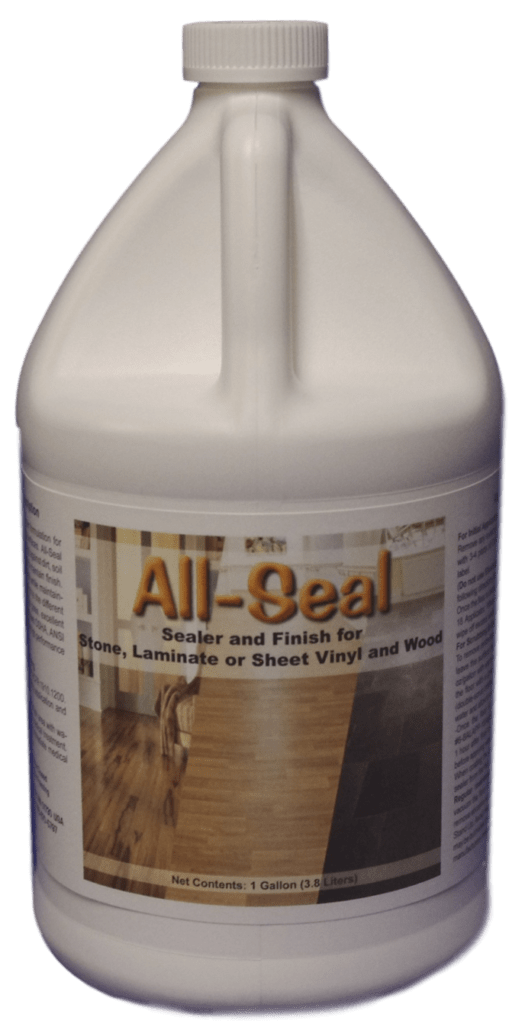
Sealers are often skipped on vinyl, which is a costly mistake in commercial settings.
All-Seal® LVT Sealer-Finish creates a durable, low-VOC base layer that:
- Reduces porosity
- Improves adhesion of finish coats
- Enhances chemical resistance
- Simplifies future maintenance
In schools and healthcare facilities, sealing dramatically reduces long-term labor and chemical exposure by minimizing aggressive cleaning.
Step 2: Finishing — Performance Where It Counts
Perma offers multiple finish technologies depending on facility demands:
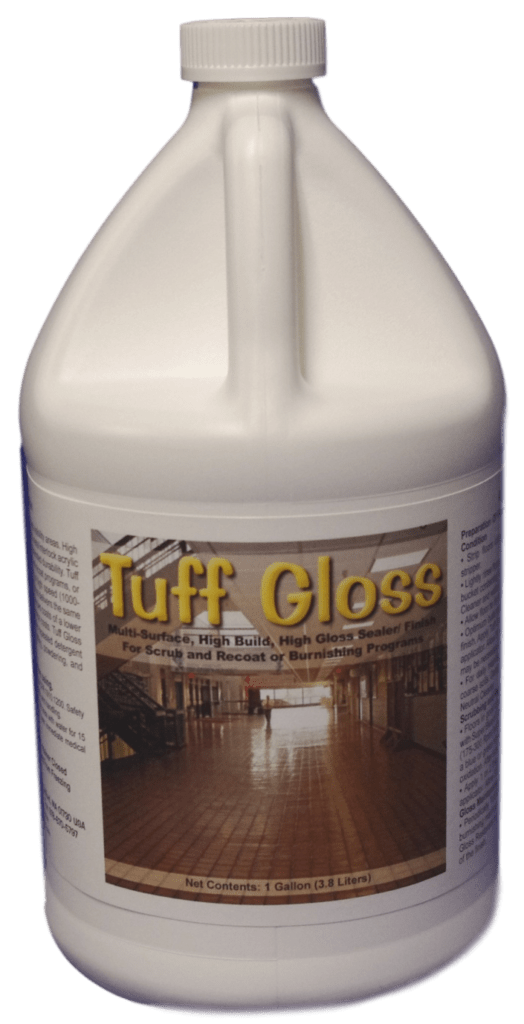
Tuff-Gloss® 25% Floor Finish
Ideal for high-traffic commercial spaces, Tuff-Gloss delivers fast build, strong gloss retention, and excellent repairability — minimizing downtime.
Cutting Edge® Nano Floor Finish
Engineered with advanced polymer technology, Cutting Edge creates a dense, soil-resistant surface that significantly reduces dirt embedding and extends maintenance cycles. This is particularly valuable in healthcare, education, and hospitality environments aiming for 2026-level efficiency and sustainability benchmarks.
Step 3: Daily & Routine Cleaning — Preserve, Don’t Strip
Soil is abrasive. Every particle left on the floor accelerates wear.
Perma’s All-Shine® Cleaner-Maintainer is designed specifically for resilient floors, removing soil while simultaneously repairing micro-scuffs and reinforcing slip resistance. Unlike harsh neutral cleaners that simply remove dirt, All-Shine actively maintains the protective surface, reducing labor and extending recoat intervals.
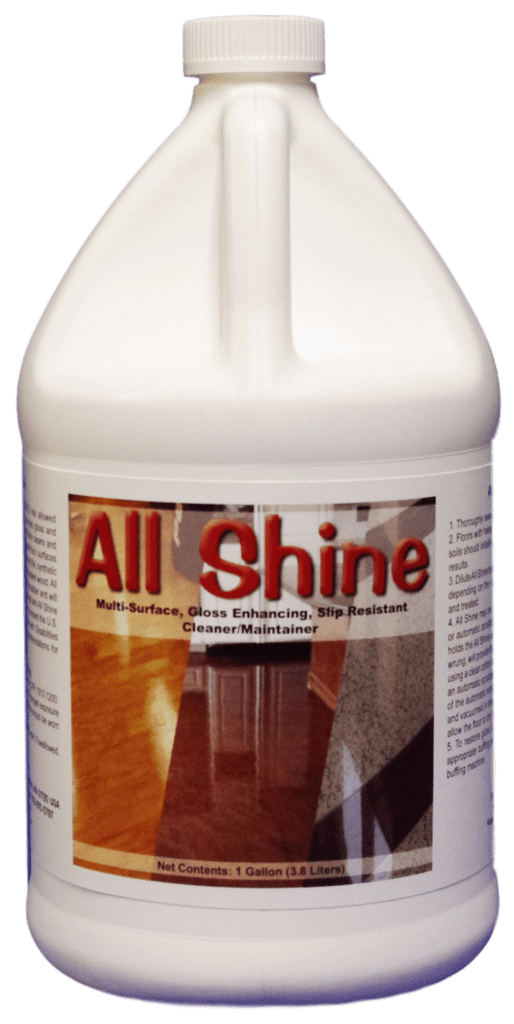
This is especially valuable in:
- School corridors
- Healthcare hallways
- Hotel lobbies
- Multi-family common areas
Step 4: Periodic Maintenance — Control Wear Patterns
As traffic concentrates, finishes thin unevenly. Rather than stripping entire floors, Perma systems emphasize targeted restorative maintenance.
Using compatible maintenance chemistry prevents buildup while maintaining gloss uniformity and traction — a key advantage over conventional mop-and-bucket programs that silently erode finishes.
Slip Safety: A Performance Requirement, Not an Afterthought
Slip incidents remain one of the most expensive and preventable facility risks. As finishes degrade, coefficient of friction often drops — especially with conventional acrylics.
Perma’s vinyl floor systems are designed to maintain traction over time, not just on day one. Cleaner-maintainers, sealers, and finishes work together to support consistent slip resistance even as floors age.
This operational consistency is critical in:
- Hospitals and long-term care facilities
- K-12 and higher education
- Hotels and convention centers
- Municipal and public buildings
Also Read 👉🏼Can I Put Anti Slip Coatings On Laminated Plank Floors
Sustainability, Indoor Air Quality, and the 2026 Facility Standard
Facilities are increasingly evaluated not just on appearance, but on environmental impact and occupant health.
Perma products are formulated to support:
- Low-VOC emissions
- Reduced stripping frequency
- Lower chemical consumption over time
- Improved indoor air quality
- Longer floor replacement cycles (less landfill waste)
By extending floor life and reducing aggressive maintenance, Perma systems align directly with evolving sustainability and ESG expectations — without sacrificing performance.
Beyond Products: Perma’s Expertise-Driven Approach
Perma is more than a chemical manufacturer. The company provides:
- Complete floor coating systems
- Slip-resistance solutions
- Technical guidance and training
- Lab-driven formulation expertise
- Long-term maintenance strategy support
This consultative approach is why Perma systems are trusted in demanding environments where failure is not an option.
Contact Perma
For product guidance, system design, or technical support:
Telephone: 978-667-5161
Owner: Peter H. Stevens III
Production: Wayne Cabral, Jr
Laboratory: David Sadlo
Perma works directly with facility professionals to design floor care programs that perform today — and remain viable in the years ahead.
Conclusion: Vinyl Floors Don’t Fail — Systems Do
Vinyl and LVT floors are capable of exceptional longevity, appearance, and safety — but only when maintained as engineered systems. Conventional finishes and disconnected products shorten lifecycles and inflate costs.
Perma’s clean–maintain–seal–finish methodology transforms vinyl floor care from reactive maintenance into strategic asset management. For facilities planning beyond 2026, that difference isn’t cosmetic — it’s operational, financial, and measurable.
FAQ
How long should vinyl and LVT floors last in commercial facilities?
With proper maintenance and surface protection, commercial vinyl and LVT floors should perform effectively for 15–25 years. Floors that rely solely on factory wear layers and basic cleaning often show functional or appearance failure in 7–10 years, primarily due to abrasion, soil intrusion, and neglected surface protection.
Is sealing vinyl floors necessary in schools and hospitals?
Yes. Sealing is strongly recommended in high-traffic, compliance-driven environments. A dedicated vinyl/LVT sealer reduces porosity, improves finish adhesion, enhances cleanability, and minimizes aggressive cleaning — all of which support hygiene standards, slip safety, and lower long-term maintenance costs.
How does Perma differ from traditional acrylic floor finishes?
Traditional acrylic finishes are thicker, softer, and prone to powdering, yellowing, and frequent stripping. Perma finishes are engineered with advanced polymer and nano technologies that create denser, harder, thinner films designed specifically for resilient flooring, delivering longer wear, easier repair, improved traction retention, and fewer disruptive maintenance cycles.
Can Perma finishes improve slip resistance over time?
Yes. Unlike conventional finishes that become slick as they wear unevenly, Perma’s system-based approach — including cleaner-maintainers, sealers, and finishes — is designed to maintain consistent traction throughout the coating’s lifecycle, supporting safer walking surfaces in high-risk environments.
How often should vinyl floors be recoated instead of stripped?
Well-managed vinyl and LVT floors should be recoated multiple times before stripping becomes necessary. With proper daily and periodic maintenance, many facilities can extend stripping intervals to 12–36 months or longer, depending on traffic and environment.
Are Perma vinyl floor products low-VOC and IAQ friendly?
Yes. Perma formulations prioritize low-VOC emissions, reduced chemical volatility, and compatibility with modern indoor air quality expectations. By extending coating life and reducing the frequency of stripping, Perma systems further minimize airborne contaminants and occupant exposure.
What is the best finish for high-traffic LVT floors?
For extreme traffic and appearance retention, Cutting Edge® Nano Floor Finish is best suited due to its dense polymer structure and soil resistance. For fast build and excellent repairability in commercial settings, Tuff-Gloss® 25% Floor Finish is a strong choice.
How does cleaner-maintainer chemistry reduce labor costs?
Cleaner-maintainers clean and repair the floor surface simultaneously, reducing the need for burnishing, frequent recoating, or premature stripping. This lowers labor hours, equipment use, downtime, and chemical consumption while preserving gloss and traction.
Can Perma systems reduce total floor maintenance budgets?
Yes. Facilities using complete Perma systems typically experience lower annual maintenance costs through extended coating life, reduced labor intensity, fewer strip-and-recoat cycles, and longer floor replacement timelines — all without sacrificing safety or appearance.
How should facilities prepare vinyl floors for recoating?
Preparation should include thorough soil removal, neutralization of residues, light abrasion or restorative cleaning if needed, and proper drying. Floors should be clean, residue-free, and structurally sound before applying compatible Perma sealers or finishes to ensure optimal adhesion and performance.