
The Psychology of Clean Floors: How Shine, Texture, and Upkeep Influence Customer Trust
Clean floors are often seen as a basic operational requirement. Yet in modern commercial environments—retail, hospitality, healthcare, education, and industrial settings—the appearance and condition of a facility’s flooring carry a much deeper psychological weight. Visitors and customers rarely comment on floor condition directly, but they consistently evaluate it.
Their perception of safety, competence, hygiene, and professionalism is shaped by what’s under their feet long before any employee interaction or product experience. Understanding this behavioral and psychological connection is essential for organizations seeking to strengthen brand credibility and customer confidence. High-performance coatings and maintainers from companies like Perma play a measurable role in elevating these outcomes.
Shine, Texture, and the Silent Language of Perceived Safety
Humans instinctively judge their surroundings based on subtle environmental cues. Floors—because they anchor our movement—send some of the strongest signals.
Glossy Finishes: The Luxury & Control Signal
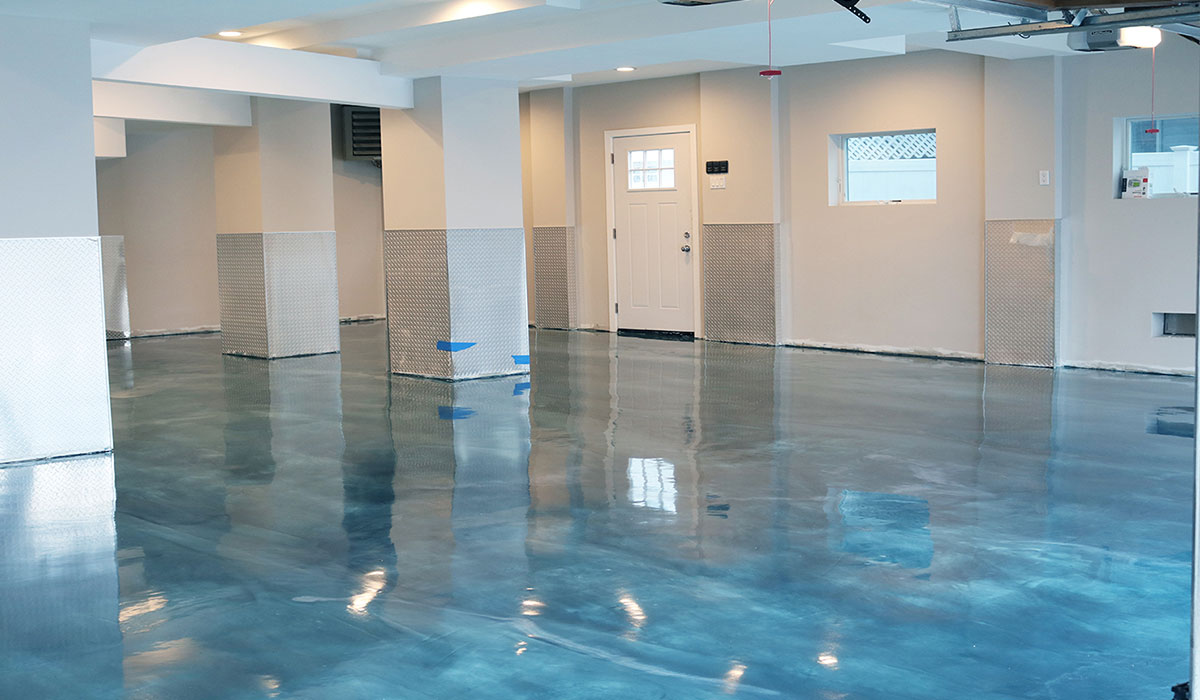
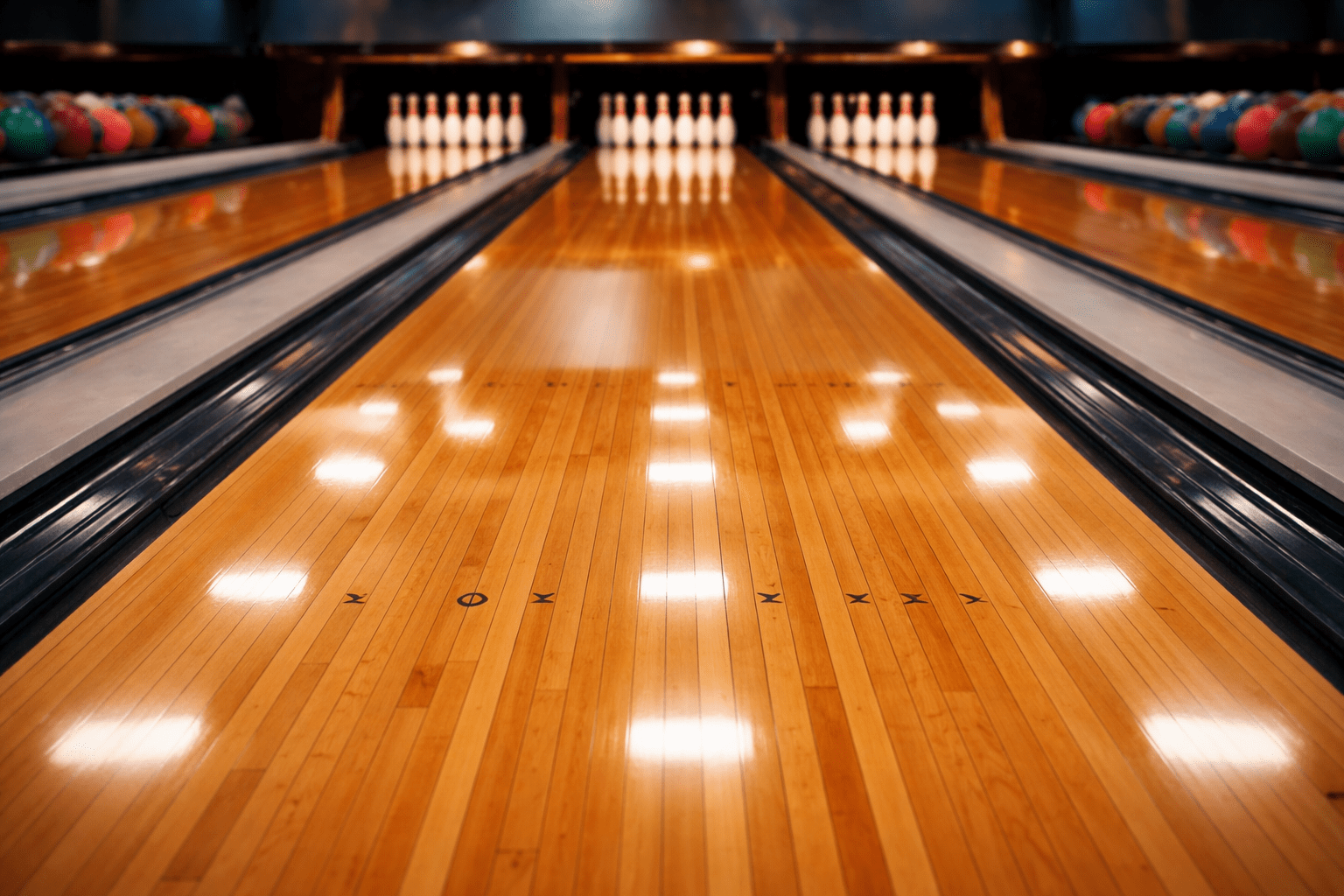
A high-gloss floor creates a visual impression associated with premium environments, meticulous attention to detail, and strong operational oversight. Retail, hospitality, and corporate interiors often utilize gloss finishes because they communicate:
- Cleanliness and active maintenance
- Organizational discipline
- Professionalism and brand quality
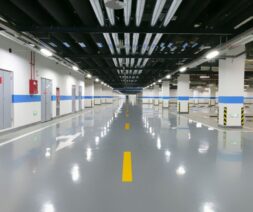
When high-gloss floors are properly finished and maintained, they project stability and trustworthiness. Perma’s durable finishes and maintainers help ensure the gloss level remains consistent, reducing the dulling and micro-scratches that undermine the aesthetic message.
Matte & Satin Finishes: The Comfort & Authenticity Signal
In contrast, matte or satin finishes suggest warmth, approachability, and naturalness—often preferred in healthcare clinics, restaurants, educational environments, or boutique retail spaces. These finishes communicate:
- Comfort and groundedness
- Reduced glare and visual fatigue
- A “natural clean” rather than a “high-polished” one
A controlled matte surface also reduces visual fear of slipping. Perma’s anti-slip formulas enhance this perception by delivering real, measurable traction, reinforcing the psychological experience with functional safety.
Also Read 👉🏼Long-Term Benefits Of Anti Static Floor Coating
How Floor Cleanliness Influences Customer Behavior
Research in environmental psychology consistently shows that flooring cleanliness—whether consciously noticed or not—dramatically affects consumer behavior.
Retail Environments: Clean Floors Increase Dwell Time
Customers linger longer in stores that appear clean, bright, and well-maintained. A polished, uniform floor increases:
- Perceived product value
- Visual clarity of the merchandise
- A sense of organization and professionalism
A poorly maintained floor, even if not visibly dirty, creates subconscious tension that shortens shopping time and reduces engagement.
Hospitality: Clean Floors Shape First Impressions
Hotel lobbies, restaurants, and resort environments depend heavily on atmosphere. Flooring plays a pivotal role because it affects:
- Guest comfort
- Perception of hygiene
- Trust in overall cleanliness standards
A durable coating system, such as Perma’s urethane or acrylic finishes, ensures that high-traffic hospitality floors retain their quality without constant refinishing cycles.
Industrial and Foodservice: Clean Floors Communicate Operational Control
In industrial and commercial kitchen settings, clean, well-maintained flooring signals:
- Regulatory compliance
- Managerial competence
- Safety awareness
- Production reliability
Employees also respond to these cues—clean floors reduce stress, support morale, and cultivate a culture of precision.
The Subconscious Connection Between Floors and Brand Credibility
Brand credibility is not built only through logos, staff training, or marketing material. It is reinforced—or eroded—by the physical environment customers walk through.
Clean Floors Suggest Clean Operations
Visitors instinctively generalize environmental cues.
A clean floor suggests clean kitchens, clean backrooms, clean processes, and clean management.
A neglected floor suggests the opposite.
Consistency Signals Professionalism
Uneven shine levels, patchy finish, or visible wear subtly communicate inconsistency. Consistency is a core driver of trust. Perma’s floor maintainers and restorative coatings support this consistency by providing:
- Uniform gloss levels
- Reliable anti-slip performance
- Even color and texture
- Reduced scuff visibility
This eliminates the visual noise that weakens brand perception.
Clean Floors Create a Secure Sensory Experience
People want to feel safe. Floors that look slippery, stained, dull, or uneven produce micro-levels of cognitive stress. Clean floors reduce that stress, creating the calm, confident environment associated with strong brands.
Also Read 👉🏼Maintaining Vinyl & LVT Floors: Longevity, Slip Safety & Performance | Perma
Where Perma’s Products Fit Into the Psychology of Cleanliness
Perma’s extensive line of floor finishes, coatings, cleaners, anti-slip systems, and maintainers plays directly into these psychological and operational needs.
1. High-Performance Finishes and Coatings
Perma’s urethane, acrylic-epoxy, and specialty finishes are engineered to provide visual excellence, durability, and long-term clarity—ensuring the aesthetic message remains consistent for months, not days.
2. Anti-Slip and Anti-Static Solutions
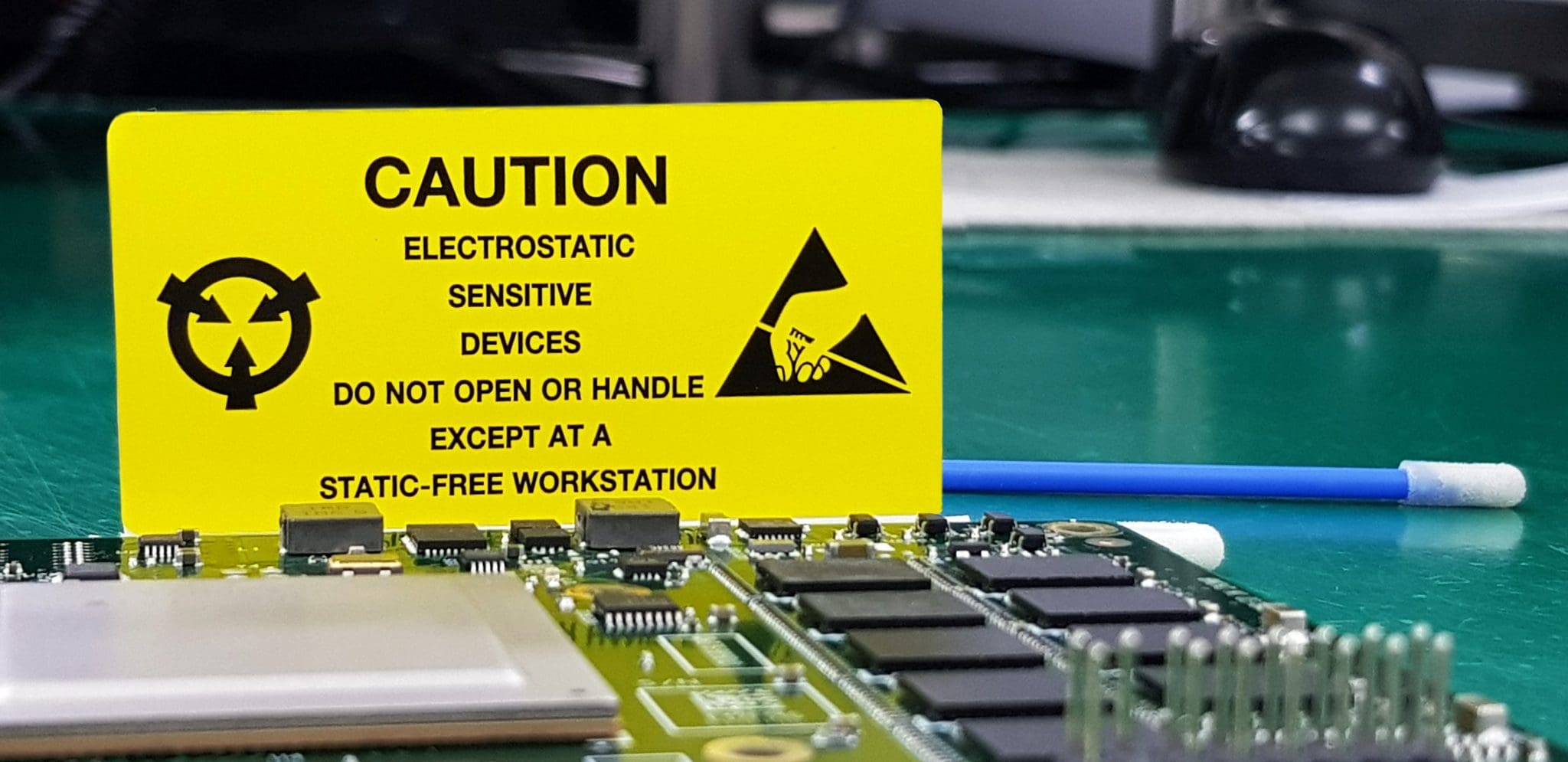
Safety is a psychological and functional priority. Perma’s anti-slip formulas enhance traction while maintaining the desired visual profile, and anti-static finishes support high-tech, electronics, and manufacturing environments where safety extends beyond foot traffic.
3. Maintainability for Long-Term Brand Impact
Floor appearance degrades not just from traffic but from poor maintenance chemicals or inconsistent procedures. Perma’s cleaners and maintainers protect coatings, preserve shine, and minimize surface distortion, keeping the facility’s message intact.
Conclusion: Clean Floors Are a Brand Strategy, Not Just a Maintenance Task
Clean, well-maintained floors influence customers long before a product demonstration, service interaction, or sales conversation takes place. Shine levels, texture choices, uniformity, and upkeep shape subconscious judgments about:
- Safety
- Professionalism
- Hygiene
- Operational control
- Brand quality
Companies that understand this connection invest in flooring not as a commodity, but as a strategic brand asset.
With the right combination of advanced coatings, finishes, and maintenance systems—such as those produced by Perma—organizations can strengthen customer trust, elevate environmental perception, and differentiate themselves in highly competitive markets.
Clean floors aren’t merely clean.
They’re psychological architecture.
Also Read 👉🏼Your Floors are About to Become a Great Deal More Hazardous, Are you Insured?
Frequently Asked Questions
FAQ 1: How does the appearance of a floor influence customer trust?
Customers make rapid subconscious judgments based on environmental cues, and flooring is one of the strongest signals of overall quality. Clean, uniform, well-maintained floors communicate operational control, attention to detail, and a commitment to safety and hygiene. When floors appear dirty, dull, or inconsistently maintained, visitors may perceive the business as careless or unprofessional—even if everything else is well managed. A polished surface reinforces brand credibility, while a neglected one silently undermines it.
FAQ 2: Does floor shine really affect how safe a surface feels?
Yes. Humans instinctively associate visual cues with safety. Glossy floors, when properly finished, communicate cleanliness and order but can sometimes appear slippery if not maintained correctly. Conversely, matte and satin finishes often feel more stable and comfortable underfoot because they minimize glare and visual “slickness.” The key is balance: choosing the correct finish for the environment and ensuring it is maintained with consistent traction. Perma’s finishes and anti-slip systems are specifically designed to achieve both safety and appearance without compromising either.
FAQ 3: Why do retail and hospitality environments depend so heavily on floor appearance?
In retail and hospitality, customer perception is directly tied to revenue. Clean, bright, well-finished floors increase dwell time, reinforce the perception of product quality, and support a positive guest experience. In hotels, restaurants, and stores, flooring is part of the “silent service”—it communicates cleanliness and professionalism before an employee ever speaks. When floors look neglected, customers subconsciously question hygiene, service standards, and even the value of what they are purchasing. Proper coatings and maintainers ensure these environments maintain a consistently polished, trustworthy appearance.
FAQ 4: What role do modern floor finishes and coatings play in shaping customer behavior?
Modern coatings—including acrylic-epoxy hybrids, urethane systems, and advanced maintainers—create surfaces that retain clarity, durability, and uniformity far longer than traditional finishes. This matters because customers respond to consistency. A floor that maintains its shine or texture over time builds confidence and reduces visual stress. In contrast, patchy gloss, dull spots, or visible scuffs disrupt the sense of order. Perma’s engineered finishes stabilize the visual environment, ensuring customers see the facility as clean, reliable, and professionally operated.
FAQ 5: How can businesses improve the psychological impact of their flooring?
Businesses can enhance the psychological effect of flooring through several strategies:
• Select finishes that align with the environment—glossy for upscale or corporate settings, matte for comfort-oriented spaces.
• Maintain consistent appearance with proper cleaners, maintainers, and coatings.
• Address traction concerns by integrating anti-slip solutions.
• Reduce wear patterns through regular care to prevent dullness and scuffing.
By investing in the right combination of coatings and maintenance systems—such as those offered by Perma—companies improve customer perception, strengthen brand identity, and create a safer, more trustworthy atmosphere throughout their facility.