How Can Hospitality Facilities Standardize Cleaning Results Across All Areas?
Hospitality facilities standardize cleaning results by matching cleaning chemistry to soil types, aligning back-of-house and front-of-house procedures, and using consistent products and processes that improve cleanability, safety, and appearance across all spaces.
The Consistency Problem No One Likes to Admit
Most hospitality facilities don’t have a cleaning problem. They have a consistency problem.
Front-of-house spaces look polished and guest-ready. Back-of-house areas function, but rarely impress. Kitchens, service corridors, restrooms, loading zones, and storage rooms are cleaned differently, with different products, by different teams — often with different standards.
The result is uneven hygiene, uneven safety, and uneven labor efficiency. Guests notice it. Staff feel it. Facility managers spend their time firefighting instead of optimizing.
Why One Cleaner Can’t Do Everything
Trying to standardize cleaning with a single “universal” product almost always fails. Hospitality environments contain dramatically different soils:
- Food soils and grease in kitchens
- Organic waste and moisture in restrooms and locker rooms
- Tracked-in grit and spills in lobbies and corridors
Each soil type responds differently to chemistry. When the wrong cleaner is used, soils smear, residue builds up, and surfaces re-soil faster — increasing labor and complaints.
Standardization doesn’t mean one product. It means one system.
Zoning the Facility: Front vs Back of House
Effective facilities break cleaning into zones:
Back-of-House Zones
- Kitchens
- Dish rooms
- Service corridors
- Loading docks
These areas require strong degreasing, fast soil removal, and traction support.
Front-of-House Zones
- Dining areas
- Lobbies
- Guest corridors
- Public restrooms
These spaces demand appearance retention, odor control, and guest-safe traction.
Also Read 💦Foodservice Kitchen Hygiene: Safer Cleaning with Perma
Matching Chemistry to Each Zone
Standardization works when the same logic is applied everywhere — even if products differ slightly.
Perma Product Tie-Ins
For grease-heavy BOH areas:
-
#110 Clean-All and #180 Geo-Clean Cleaner & Degreaser for routine soil removal
-
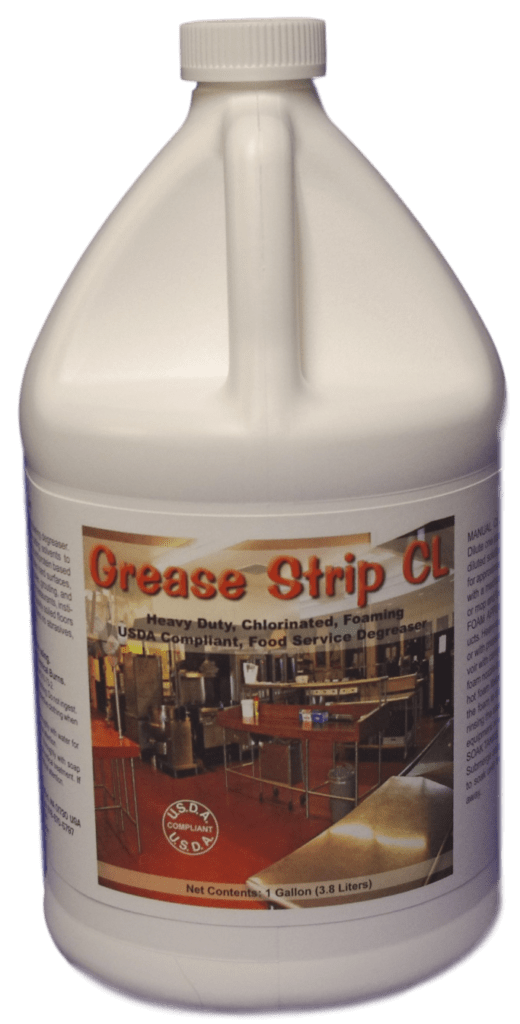
#155CL Grease Strip CL for periodic deep degreasing
For wet FOH and shared spaces:
-
#100 Traction Clean Slip-Resistant Cleaner/Degreaser to support traction while cleaning
-
Citru-Clean for organic soils and odor-contributing residues
For long-term floor safety across all zones:
-
Perma Anti-Slip Floor Coatings to provide durable traction and surface protection
The chemistry may vary, but the outcome stays consistent: clean, safe, and easy-to-maintain surfaces.
Standardization Reduces Labor (Quietly and Reliably)
When teams use the right chemistry:
- Soils release faster
- Surfaces rinse cleaner
- Re-soiling slows down
This means fewer passes, less scrubbing, and fewer “redo” cleanings. Over time, standardized systems reduce labor fatigue, training complexity, and chemical inventory sprawl.
Safety Improves When Systems Replace Workarounds
Wet floors, grease films, and residue buildup are common across hospitality facilities. Addressing them inconsistently leads to signage, cones, and reactive fixes.
Using traction-supportive cleaners and non-slip coatings allows safety to be built into the surface, not managed with warnings. Staff move more confidently. Guests feel safer — even if they never consciously notice why.
Also Read 💦Benefits Of Slip Resistance Coating For Retail Spaces?
Inspection Readiness Becomes Predictable
Health and safety inspections don’t fail facilities for isolated issues — they fail them for patterns.
Standardized cleaning systems:
- Produce consistent results across zones
- Make documentation easier
- Reduce last-minute panic cleaning
Inspectors notice when cleanliness looks intentional rather than rushed.
A Simple Framework for Facility-Wide Standardization
High-performing facilities align around:
- Consistent products by soil type
- Clear SOPs by zone
- Shared performance goals (cleanability, traction, appearance)
This approach scales across properties and teams without sacrificing quality.
Conclusion: One System, Many Spaces, Consistent Results
Standardizing cleaning across hospitality facilities isn’t about cutting corners — it’s about eliminating chaos. When back-of-house and front-of-house areas are cleaned with the same strategic logic, facilities become easier to manage, safer to operate, and better for guests.
Perma’s cleaners, degreasers, traction-focused solutions, and anti-slip coatings help hospitality teams build cleaning systems that work everywhere — not just where guests are watching.
FAQs: Cleaning Standardization in Hospitality
1. What does cleaning standardization mean in hospitality facilities?
Cleaning standardization means using consistent products, procedures, and performance expectations across all areas of a facility to achieve reliable safety, hygiene, and appearance outcomes.
2. Why do front-of-house and back-of-house areas need different cleaning approaches?
Front-of-house areas prioritize appearance and guest perception, while back-of-house areas focus on grease removal, safety, and heavy soil control. Each zone has different soil types that require different cleaning chemistry.
3. Can one cleaning product be used across an entire hospitality facility?
Usually not. Different soil types respond to different chemistry. Standardization works best when facilities use a small, intentional set of products matched to specific soil and surface conditions.
4. How does cleaning standardization reduce labor costs?
Standardized systems reduce over-scrubbing, repeat cleaning, and product misuse. When soils release faster and surfaces stay cleaner longer, staff spend less time correcting problems.
5. How does standardization improve floor safety?
Using consistent degreasing and traction-supportive cleaners helps prevent residue buildup and maintains safer walking surfaces, reducing slip hazards across the facility.
6. What role do SOPs play in cleaning consistency?
Standard operating procedures ensure that all staff clean the same way, using the same products and methods, regardless of shift or department. This reduces variability and errors.
7. Does cleaning standardization help with inspections?
Yes. Inspectors look for patterns, not perfection. Standardized systems produce consistent results across zones, making inspection outcomes more predictable and less stressful.
8. How often should standardized cleaning systems be reviewed?
Most facilities review cleaning systems quarterly or after changes in traffic, staffing, or facility use to ensure products and procedures still match conditions.
9. Can standardized cleaning systems work across multiple properties?
Yes. Cleaning standardization is especially valuable for multi-property operations because it simplifies training, improves consistency, and supports brand-level hygiene standards.
10. Why is matching chemistry to soil types critical for consistency?
When chemistry matches the soil, cleaning is faster, more effective, and leaves fewer residues. This prevents re-soiling and helps maintain consistent results with less effort.