How the Right Cleaners & Coatings Make Commercial Kitchens Safer, Easier to Clean & More Hygienic
Foodservice & Commercial Kitchen Hygiene: How the Right Cleaners & Coatings Improve Safety and Cleanability
Commercial kitchens are beautiful chaos: nonstop foot traffic, sizzling pans, pools of grease, and a relentless march of cleanup cycles. Facility managers in hospitality know this rhythm well — keeping kitchens safe and clean isn’t just about shiny surfaces, it’s about preventing slip hazards, eliminating stubborn soils, and aligning with health and safety protocols. That’s where the right chemistry — crafted for industry professionals — becomes a strategic advantage rather than just another line item on a supply order. Perma’s suite of cleaners, degreasers, and coatings is engineered not just to tidy kitchens, but to transform them into safer, more hygienic spaces for staff and guests alike. perma.com+1
How do the right cleaners and coatings improve commercial kitchen hygiene and safety?
The right cleaners and coatings improve commercial kitchen hygiene and safety by removing grease and food soils that harbor bacteria while increasing floor traction to reduce slip hazards. Professional degreasers break down heavy oils faster, while slip-resistant cleaners and coatings help maintain safe walking surfaces even in wet or greasy conditions. This combination makes kitchens easier to clean, more hygienic, and safer for staff in high-traffic foodservice environments.
The Daily Kitchen Struggle: Grease, Grime & Slippery Floors
In a bustling kitchen, challenges are constant. The deep fryer pops and splatters oil; prep stations accumulate protein and vegetable soils; and liquid spills are a daily occurrence. Grease and oil aren’t just unsightly — they bond stubbornly to tile, stainless, and concrete surfaces, resisting ordinary cleaning and creating slick areas that invite slips and falls. Floors quickly shift from functional workspaces to safety liabilities if soil builds up or traction drops. perma.com
Frequent cleaning keeps hazards at bay, but the products you select determine how effective that cleaning actually is. That means cleaners and degreasers that cut through heavy soils without damaging surfaces or leaving behind a dangerous residue.
Smart Cleaning Chemistry: Perma Products That Deliver Results
Perma’s foodservice line tackles these typical kitchen problems with professional-grade solutions designed for daily use and deep cleanup cycles.
All-Purpose Cleaners & Daily Degreasers
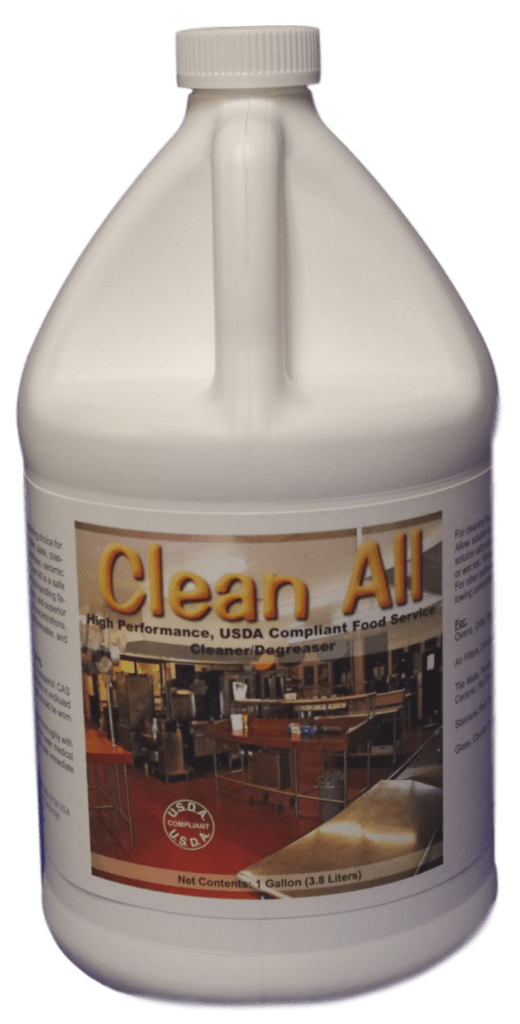
For surface cleaning where grease and soils accumulate most rapidly, general-purpose cleaners lay the groundwork for hygiene:
-
#110 Clean-All is Perma’s classic all-purpose cleaner and degreaser, effective on wall tiles, stainless steel, porcelain, and most hard surfaces found in commercial kitchens. It tackles stubborn soils without harsh abrasives. perma.com
-
#180 Geo-Clean Cleaner & Degreaser offers an environmentally friendly, concentrated solution that loosens and lifts soils on tile, concrete, glass, and formica, making daily floor and surface maintenance more efficient. perma.com
-
Citru-Clean combines natural citrus solvents with specialty surfactants to dissolve protein soils and a range of greases safely — ideal for multiple cleaning tools like mops, scrubbers, or spray applications. perma.com
These formulations help kitchens maintain cleanliness without over-reliance on caustic chemistries that can be hard on surfaces or staff. Their versatility means one product can tackle floors, prep areas, and stainless equipment with confidence.
Heavy-Duty Grease Removal
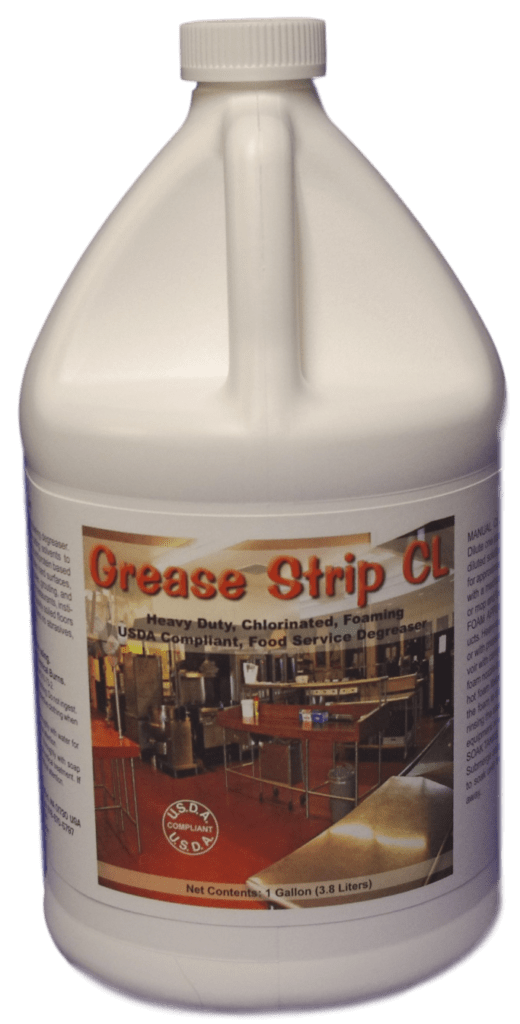
Certain soils — like baked-on fats in hoods, exhausts, and heavy traffic zones — need a specialist approach. Perma’s #155CL Chlorinated Grease Strip CL is a robust, foaming degreaser fortified with grease-cutting solvents and chlorine to break up tough animal fats and oil-based soils deep into grout and equipment surfaces. perma.com
This level of strength is essential when standard degreasers just won’t cut it and deep cleaning is scheduled.
Slip-Resistant Cleaners & Coatings: A Game-Changer for Safety
One of the most underrated elements of kitchen hygiene is traction. A floor that looks clean can still be dangerously slick. Grease films, moisture, and frequent washdowns reduce the coefficient of friction (COF), increasing the likelihood of slips. Simply mopping with a conventional cleaner can leave behind a film that lowers traction rather than improving it.
Perma approaches this problem by embedding slip resistance into both cleaning and coating strategies:
-
Traction Clean Slip-Resistant Cleaner/Degreaser is formulated to remove soils and positively influence floor traction, raising COF values on tile, stone, and concrete. This means cleaning that actively increases grip underfoot, meeting or exceeding standards recommended by OSHA and the National Floor Safety Institute. perma.com
-
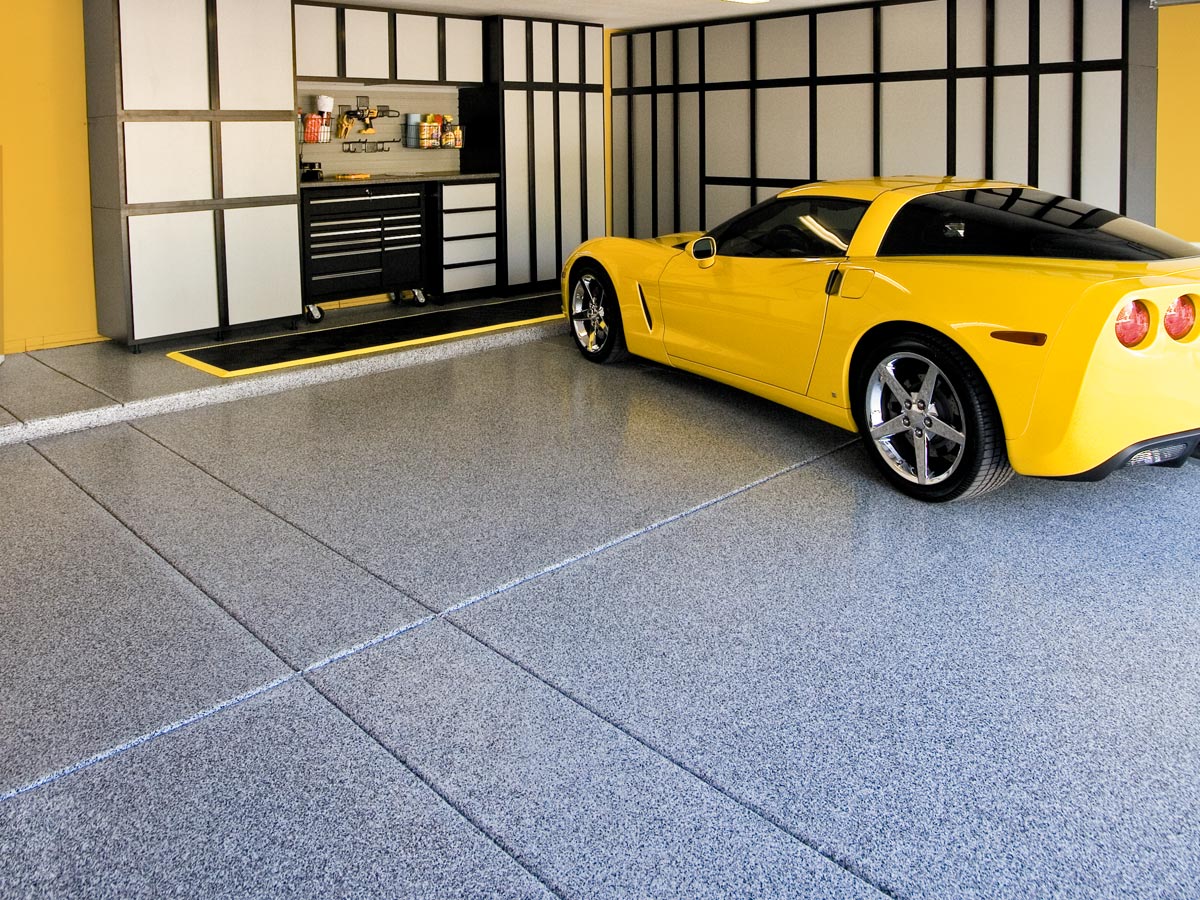
Anti-Slip Coatings from Perma build a durable, textured surface that enhances grip underfoot on busy commercial floors. These coatings protect underlying surfaces from wear and spills while helping to eliminate slip hazards even when water or grease is present. perma.com
By pairing cleaning chemistry that removes soils with coatings and maintainers that preserve traction, Perma turns slippery floors into safer, more predictable surfaces — a compelling selling point for facility managers prioritizing risk reduction in hospitality environments.
Why It Matters for Hygiene & Facility Performance
Good cleaning isn’t just about appearances. In a commercial kitchen, every surface that traps grease or soil is a surface where bacteria can flourish. Degreasers and all-purpose cleaners help disrupt and remove food soils that feed microbial activity, contributing to a truly hygienic environment. Combined with slip-resistant finishes, this approach tackles two of the most common kitchen risks — contamination and slip-and-fall injuries — at the same time. buildingmaterial.ai
From a facility management perspective, these products deliver wins on multiple fronts: improved safety records, reduced labor for cleanup, and greater compliance with health standards. A kitchen floor that’s easier to clean and stays grippier underfoot is a kitchen where staff can move swiftly without fear of accidents — and where inspections are much less stressful.
Conclusion: Chemistry That Works for Kitchens, Not Against Them
The right cleaners and coatings do more than tidy up; they transform commercial kitchens into safer, more hygienic, and easier-to-maintain environments. Perma’s lineup — from all-purpose cleaners to heavy-duty degreasers and slip-resistant floor treatments — is engineered with the realities of foodservice in mind. When grease, spills, and high traffic are constants, facility managers need products that deliver deep cleaning and measurable safety benefits. That’s professional chemistry built for real kitchens, real staff, and real results. perma.com
FAQs
1. Why is grease such a serious problem in commercial kitchens?
Grease builds up on floors, walls, and equipment, creating slip hazards and trapping bacteria. If not properly removed, it increases accident risk and makes sanitation more difficult during inspections.
2. What types of cleaners work best for commercial kitchen grease?
Heavy-duty degreasers and grease-strip solutions designed for foodservice environments work best because they break down animal fats, oils, and protein soils more effectively than standard cleaners.
3. How do slip-resistant cleaners improve kitchen safety?
Slip-resistant cleaners remove grease while increasing floor traction, helping raise the coefficient of friction (COF) so employees are less likely to slip on wet or oily floors.
4. Are non-slip coatings safe for foodservice environments?
Yes. Non-slip coatings designed for commercial kitchens are durable, hygienic, and engineered to withstand frequent cleaning, moisture, and grease without compromising safety or sanitation.
5. How often should commercial kitchen floors be deep cleaned?
High-traffic commercial kitchens typically require daily cleaning with periodic deep degreasing, especially in cooking, prep, and dishwashing areas where grease accumulates fastest.
6. Can better cleaning products reduce slip-and-fall incidents?
Yes. Using degreasers combined with slip-resistant cleaners and coatings significantly reduces slip-and-fall risks, which are among the most common injuries in foodservice facilities.
7. Do slip-resistant floors still need regular cleaning?
Absolutely. Slip-resistant floors perform best when grease and soils are consistently removed, allowing the surface texture or coating to maintain proper traction.
8. How do proper cleaners support health code compliance?
Professional foodservice cleaners remove organic soils that harbor bacteria, helping kitchens meet sanitation requirements outlined in health codes and inspection standards.
9. What surfaces in a kitchen need degreasers the most?
Floors, grout lines, cook lines, exhaust hoods, prep surfaces, and areas around fryers experience the heaviest grease buildup and benefit most from specialized degreasers.
10. Why do facility managers prioritize traction and cleanability together?
Because a floor that looks clean but lacks traction is still dangerous. Combining cleanability with slip resistance improves safety, reduces liability, and lowers long-term maintenance costs.