
How Can Hotels Improve Restroom & Locker Room Hygiene Long-Term?
Hotels improve restroom and locker room hygiene long-term by removing biofilm, hard-water scale, and odor-causing soils while using cleaners that prevent rapid re-soiling. Professional cleaning chemistry combined with consistent maintenance systems helps facilities maintain freshness, reduce complaints, and improve inspection outcomes.
Why Restrooms Define Guest Perception More Than Any Other Space
Guests may forgive a crowded lobby or a delayed check-in. They rarely forgive a restroom that smells bad, looks worn, or feels neglected.
Restrooms and locker rooms operate under a brutal microscope. These spaces deal with moisture, organic waste, body oils, soap residue, hard water minerals, and constant traffic — all while needing to look clean at all times. For facility managers, this creates a unique challenge: cleaning for appearance alone isn’t enough.
True hygiene means addressing what guests can’t see: biofilm, scale buildup, and odor-causing residues embedded in grout, drains, and porous surfaces.
The Hidden Enemy: Biofilm, Scale & Odor Chemistry
Most restroom issues aren’t caused by a lack of cleaning — they’re caused by ineffective chemistry.
-
Biofilm forms when bacteria adhere to moist surfaces, creating a protective layer that standard cleaners struggle to penetrate.
-
Hard-water scale traps soils and odors, dulls surfaces, and accelerates re-soiling.
-
Urine salts and body oils bind to grout and textured surfaces, creating persistent odors that return shortly after cleaning.
When these issues aren’t fully addressed, staff end up cleaning more often with diminishing results — higher labor, more complaints, and faster surface degradation.
Cleaning for Removal, Not Masking
Many facilities rely on fragranced cleaners to mask odors rather than eliminate their source. This approach fails quickly in locker rooms and high-traffic restrooms.
Effective hygiene requires chemistry that:
- Breaks down organic soils
- Releases mineral deposits
- Rinses clean without residue
Perma Product Tie-Ins
-
#110 Clean-All – An all-purpose cleaner and degreaser suitable for restroom surfaces, partitions, sinks, and walls where mixed soils accumulate.
-
#180 Geo-Clean Cleaner & Degreaser – A concentrated cleaner that helps lift body oils, soap scum, and general soils from tile, grout, and sealed floors without harsh abrasives.
-
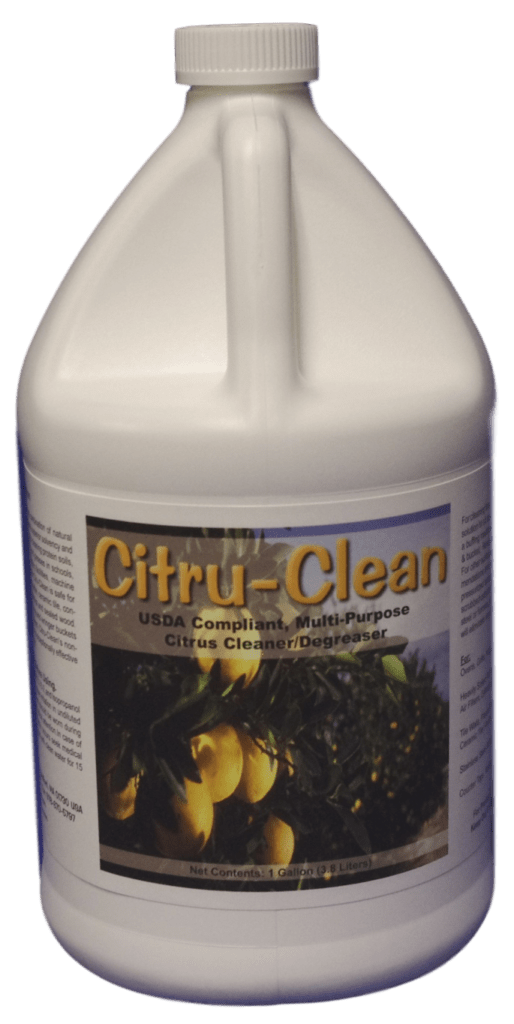
Citru-Clean – Uses citrus-based solvents to cut through organic soils and residues that contribute to lingering odors.
Why it matters:
Removing the soil that feeds bacteria is the only reliable way to stop odors from returning.
https://perma.com/foodservice-facility-care/
Hard-Water Scale: The Silent Hygiene Killer
In many hotels, mineral deposits are mistaken for “aging surfaces.” In reality, scale buildup:
- Traps bacteria and odor molecules
- Makes surfaces harder to clean
- Dulls tile, fixtures, and grout
Without addressing scale, even the best disinfectant can’t do its job effectively.
Routine descaling and soil removal restore surface integrity and dramatically improve cleanability — meaning less scrubbing, fewer chemicals, and better visual results.
Locker Rooms: Moisture, Traffic & Odor Pressure Cookers
Locker rooms amplify every hygiene challenge:
- Constant moisture
- Barefoot traffic
- Porous flooring and grout
- Elevated odor sensitivity
Slip risk is also higher here, making floor chemistry choices critical.
Perma Product Tie-Ins
-
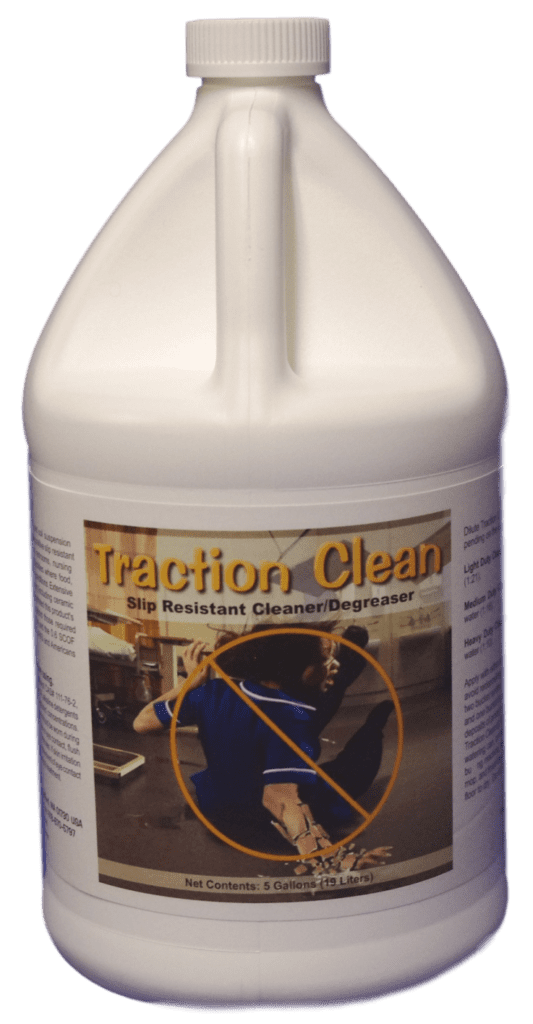
#100 Traction Clean Slip-Resistant Cleaner/Degreaser – Ideal for locker room floors where moisture and body oils reduce traction. Cleans while supporting safer footing.
-
Perma Anti-Slip Floor Coatings – Help improve traction on smooth or worn floors while protecting surfaces from constant washdowns.
Why it matters:
Locker rooms that smell clean but feel slippery fail on safety. Locker rooms that feel safe but smell bad fail on perception. You need both.
https://perma.com/anti-slip-floor-care/
Touchpoints Matter More Than You Think
Guests subconsciously judge hygiene through touch:
- Stall doors
- Partitions
- Faucet handles
- Dispensers
Residue buildup on these surfaces dulls appearance and creates a sticky or grimy feel — even when floors are spotless.
Using versatile, residue-free cleaners on these high-touch surfaces improves both hygiene and guest confidence without adding labor steps.
A Practical Restroom Hygiene SOP for Hotels
A sustainable approach looks like this:
- Daily: Remove organic soils and body oils from floors and touchpoints
- Weekly: Address grout lines, drains, and scale-prone areas
- Monthly: Deep clean high-moisture zones and evaluate floor traction
This layered system prevents buildup rather than chasing it after complaints start.
Why Long-Term Cleanability Beats “Deep Clean Cycles”
Facilities that rely on periodic deep cleaning alone end up stuck in a cycle of rapid re-soiling. Surfaces that are consistently cleaned with the right chemistry stay cleaner longer, resist odor buildup, and maintain their appearance with less effort.
That’s not just hygiene — it’s operational efficiency.
Conclusion: Hygiene Guests Trust, Systems Staff Can Sustain
Restroom and locker room hygiene isn’t about perfection — it’s about consistency. When biofilm, scale, and odor sources are addressed at the chemical level, facilities stop fighting the same problems over and over.
Perma’s all-purpose cleaners, degreasers, traction-focused floor cleaners, and anti-slip coatings help hospitality facilities maintain restrooms and locker rooms that look clean, smell clean, and stay clean longer — reducing complaints, improving safety, and protecting the guest experience.
FAQs: Restaurant Bathroom Hygiene
1. Why is restroom cleanliness so important in restaurants?
Restaurant restrooms strongly influence guest perception. Clean, well-maintained bathrooms signal overall hygiene standards and can directly impact customer trust, reviews, and repeat visits.
2. What causes persistent odors in restaurant bathrooms?
Persistent odors are usually caused by biofilm, urine salts, and organic residue trapped in grout, drains, and porous surfaces—not just a lack of cleaning.
3. How can restaurants improve bathroom hygiene long term?
Long-term hygiene improves by removing biofilm and mineral buildup, using residue-free cleaners, and following a consistent cleaning system rather than relying on fragrance-based products.
4. What are the best surfaces to focus on in restaurant restrooms?
Floors, grout lines, drains, sink areas, partitions, and high-touch surfaces like handles and dispensers require the most attention due to moisture and frequent contact.
5. How does hard water affect restaurant bathroom cleanliness?
Hard water leaves mineral scale that traps bacteria and odors, dulls surfaces, and makes restrooms harder to clean, leading to faster re-soiling.
6. Can slippery restroom floors be a safety risk for guests?
Yes. Wet floors combined with soap residue or body oils can significantly reduce traction, increasing the risk of slip-and-fall accidents in restaurant restrooms.
7. How often should restaurant bathrooms be deep cleaned?
Most restaurant bathrooms benefit from daily cleaning with weekly detail work and scheduled deep cleaning to address grout, drains, and scale buildup.
8. Do slip-resistant cleaners work in restaurant restrooms?
Slip-resistant cleaners help remove soils while supporting floor traction, making them especially useful in wet restroom environments where safety is a concern.
9. Why do some restrooms look clean but still feel dirty?
Residue from improper cleaners can leave surfaces sticky or dull, causing restrooms to feel unclean even when they appear visually acceptable.
10. How does proper restroom hygiene reduce complaints and liability?
Consistent hygiene reduces odor complaints, improves guest confidence, lowers slip risk, and helps restaurants avoid negative reviews and potential injury claims.