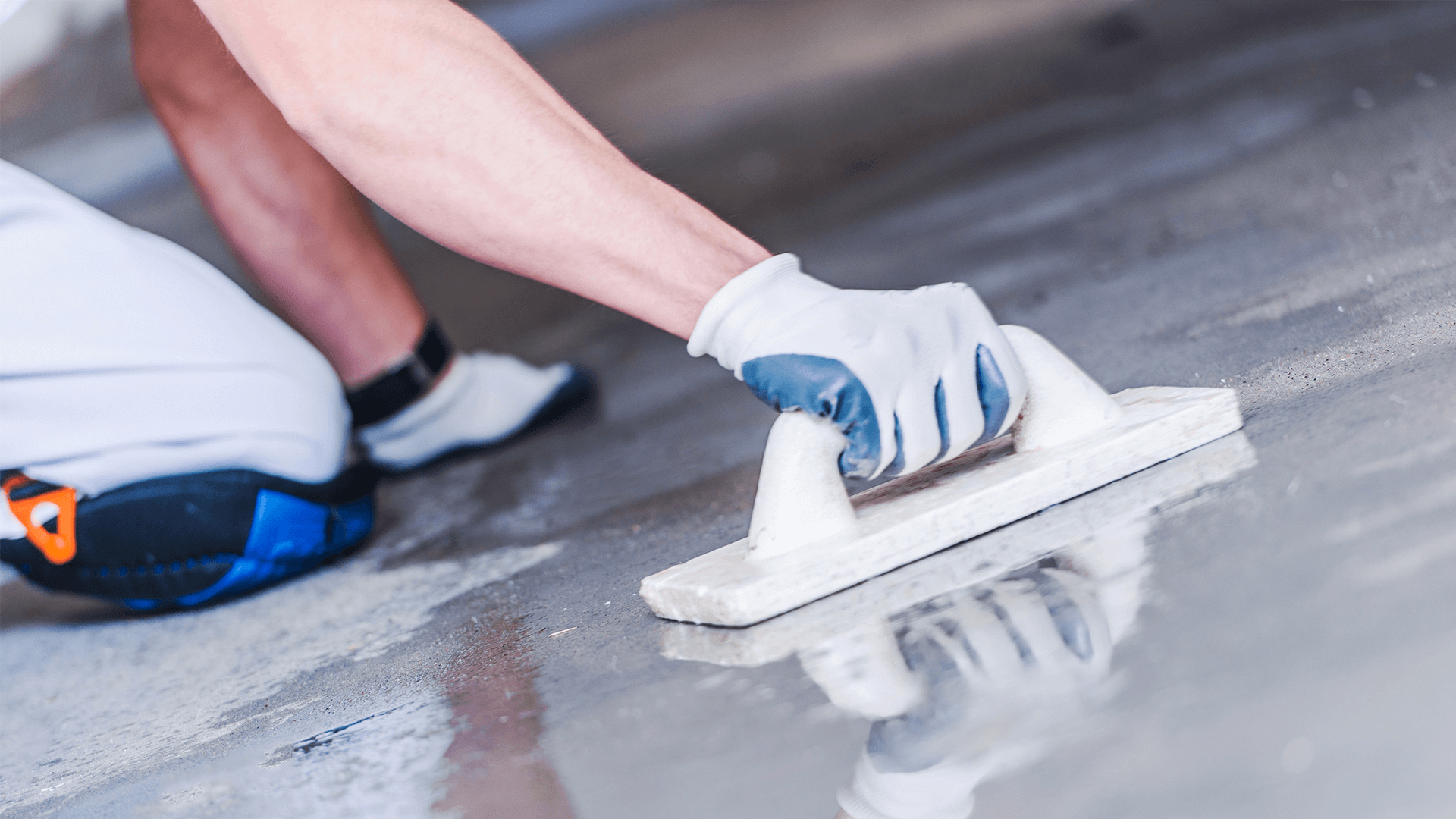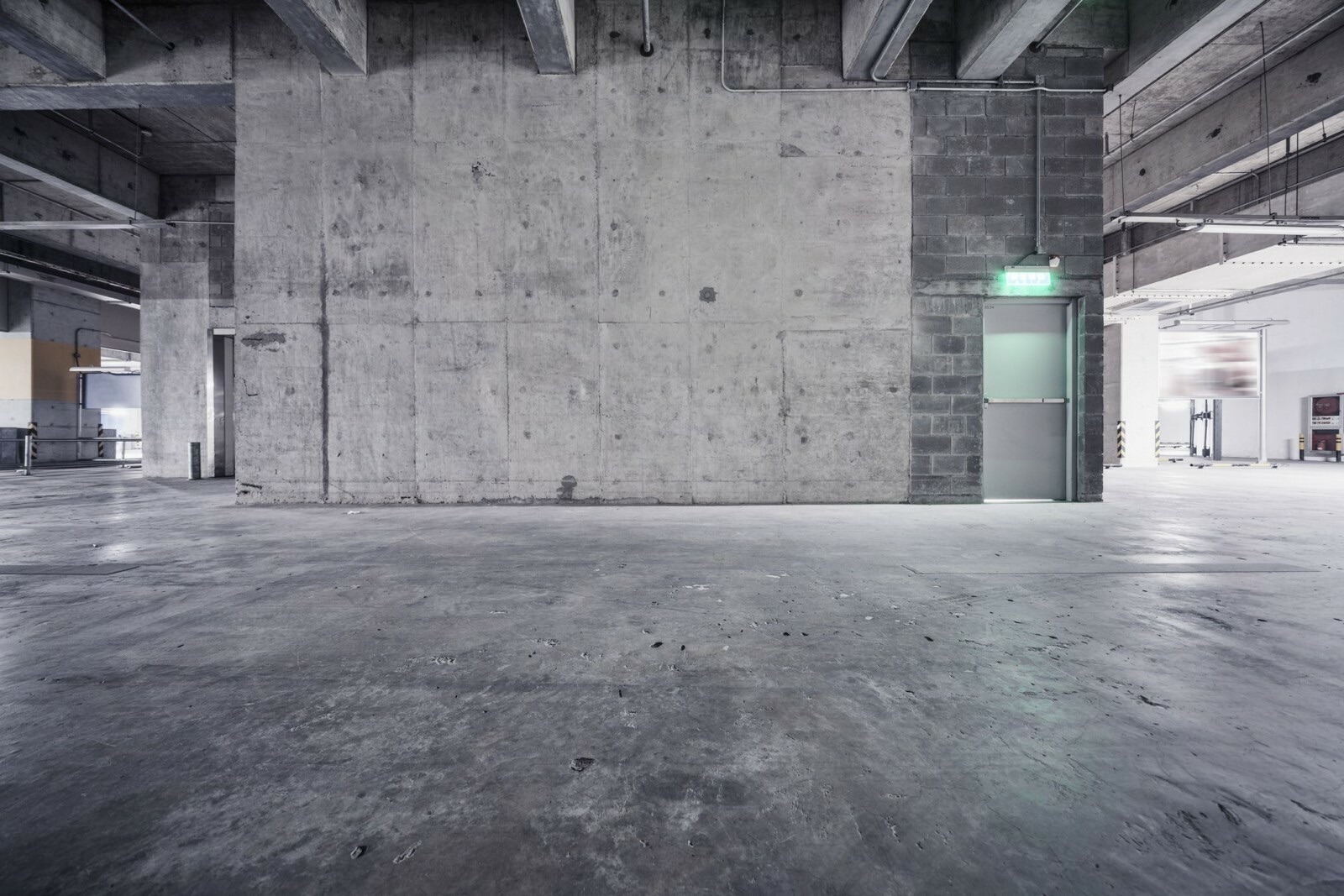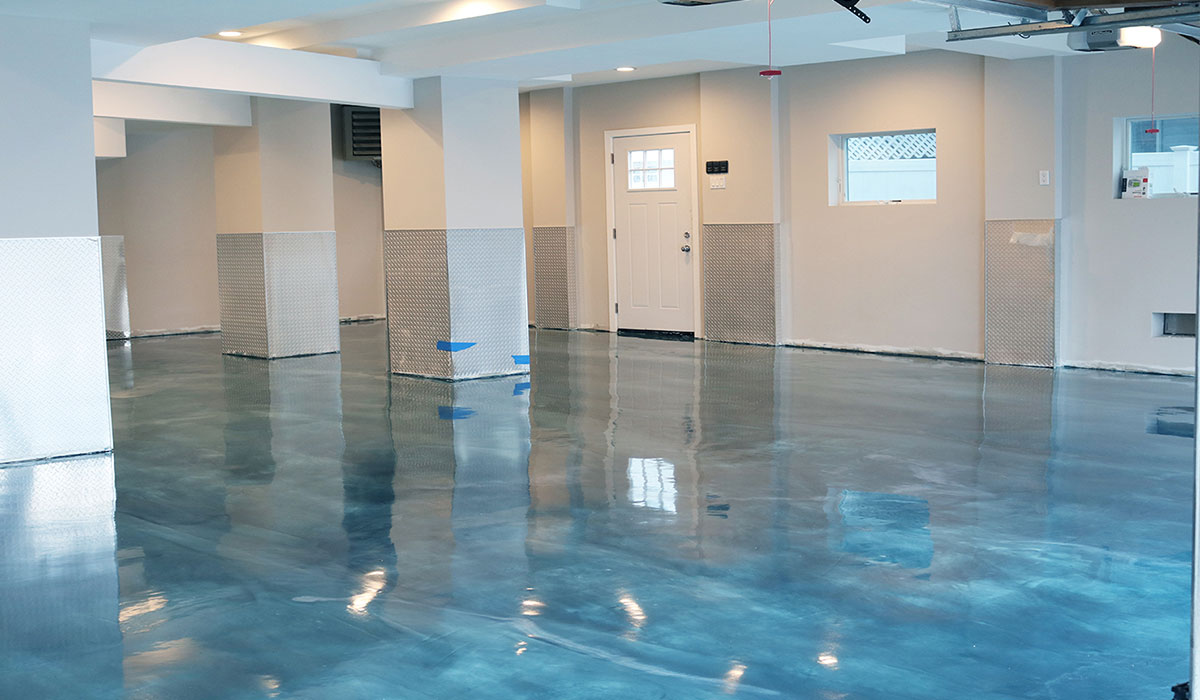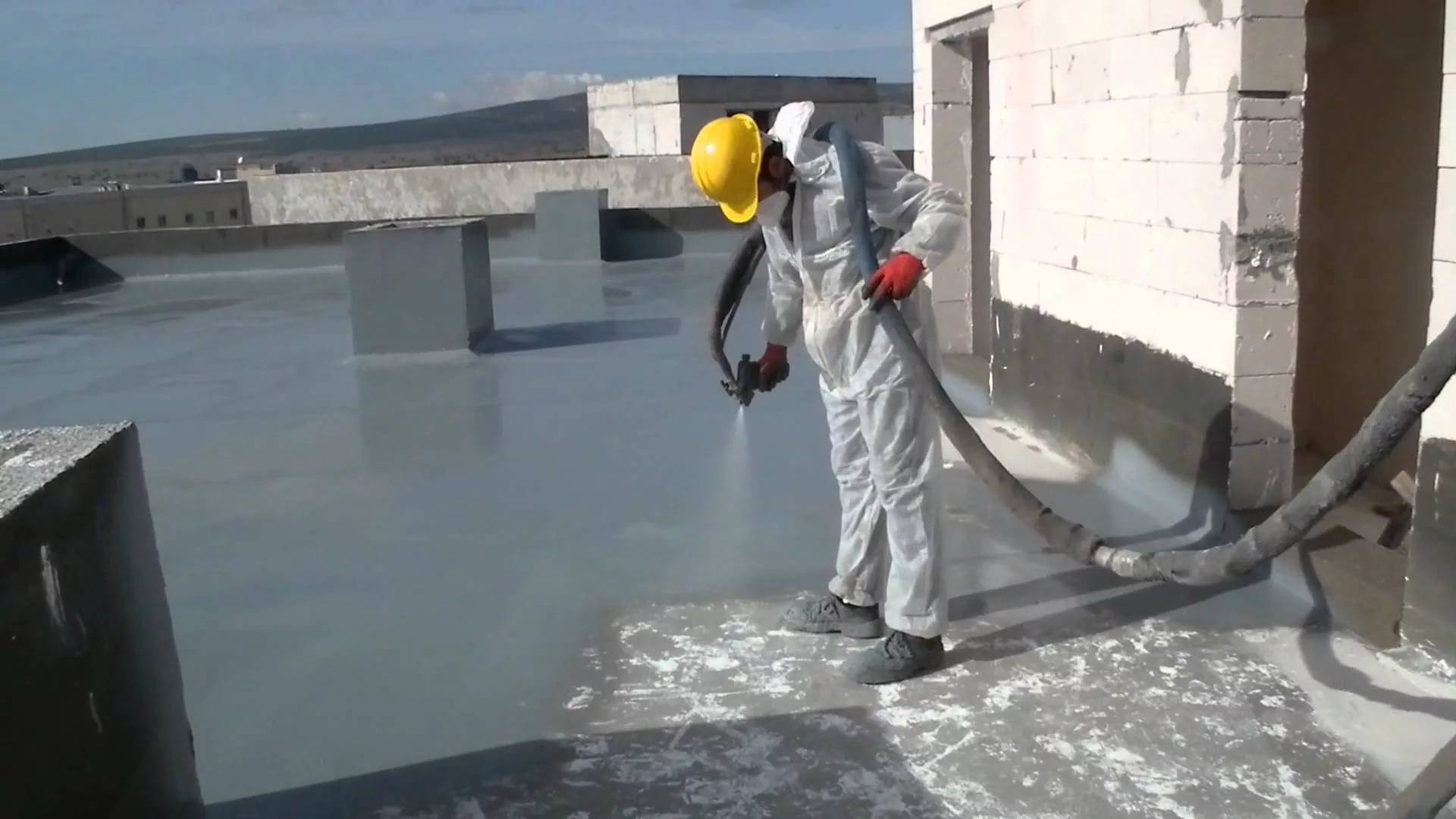

The Modern Reality of Concrete Floors: Why Prep Matters More Than Ever
Concrete floors are no longer hidden under carpet or forgotten beneath vinyl. In 2026, they are finished surfaces, expected to perform in homes, warehouses, hospitals, retail spaces, schools, and industrial facilities. Polished concrete, sealed concrete, epoxy systems, and hybrid finishes are now standard—not specialty.
Here’s the uncomfortable truth:
Most concrete floor failures are not finish failures. They are preparation failures.
Peeling coatings, dusting slabs, moisture bubbles, discoloration, and premature wear almost always trace back to what happened—or didn’t happen—before the finish was applied.
Concrete is not a passive material. It breathes. It moves. It absorbs. Treat it like inert stone, and it will eventually rebel.
Also Read 👉🏼How to Choose Eco-Friendly Concrete Coatings?
Step One: Assessing the Raw Slab (Before You Touch a Grinder)
Every successful concrete floor begins with a proper slab assessment. This is where amateurs rush and professionals slow down.
Key assessment factors include:
• Concrete age and cure history
• Surface hardness and laitance
• Moisture vapor emission rate (MVER)
• Relative humidity (RH) within the slab
• Cracks, joints, and spalling
• Contaminants such as oils, adhesives, or curing compounds
Ignoring moisture testing alone is one of the most expensive mistakes in the industry. Moisture trapped beneath coatings causes osmotic blistering, bond failure, and microbial growth—sometimes months after the job is “done.”
Modern best practice uses in-situ RH testing, not just surface calcium chloride tests, especially for commercial and industrial floors.
Step Two: Mechanical Surface Preparation (The Real Foundation)
No chemical wash or “etch-and-go” shortcut replaces mechanical prep. Period.
Concrete must be mechanically profiled to create a Concrete Surface Profile (CSP) appropriate for the final finish. This is achieved through grinding, shot blasting, or scarifying depending on system requirements.
General CSP guidelines:
• CSP 1–2: Sealers and light coatings
• CSP 2–3: Polished concrete systems
• CSP 3–5: Epoxy and urethane coatings
• CSP 5–7: Heavy industrial systems
Grinding removes laitance, opens capillaries, and creates a mechanical bond. Without it, finishes sit on the concrete instead of becoming part of it.
Dust control during grinding is also non-negotiable in 2026. HEPA-filtered systems protect workers, occupants, and downstream trades—and are increasingly required by regulation.
Step Three: Crack, Joint, and Defect Repair (Where Longevity Is Won)
Concrete cracks. That’s not a defect—it’s physics. The mistake is pretending cracks don’t exist.
Cracks must be:
• Evaluated for movement vs. static behavior
• Routed and cleaned properly
• Repaired with compatible materials (polyurea, epoxy, or hybrid fillers)
Control joints should never be blindly filled without understanding slab movement and load patterns. Incorrect joint treatment leads to telegraphing, coating failure, or reflective cracking.
Professional systems respect the slab’s design instead of fighting it.
Step Four: Densification — Turning Weak Concrete Into Strong Concrete
Densifiers are often misunderstood as “optional.” They are not.
Lithium, sodium, or potassium silicate densifiers chemically react with free lime in concrete to form additional calcium silicate hydrate (CSH)—the same compound that gives concrete its strength.
Benefits of proper densification include:
• Increased surface hardness
• Reduced dusting
• Improved abrasion resistance
• Lower porosity
• Enhanced polish clarity and longevity
For polished concrete, densification is the moment the slab graduates from fragile to formidable.
Step Five: Choosing the Right Finish System (Function First, Aesthetics Second)
Concrete finishes must be selected based on use case, not trends.
Common systems include:
Polished Concrete
Ideal for retail, offices, schools, and warehouses. Extremely durable, low VOC, and easy to maintain when properly densified and polished.
Penetrating Sealers
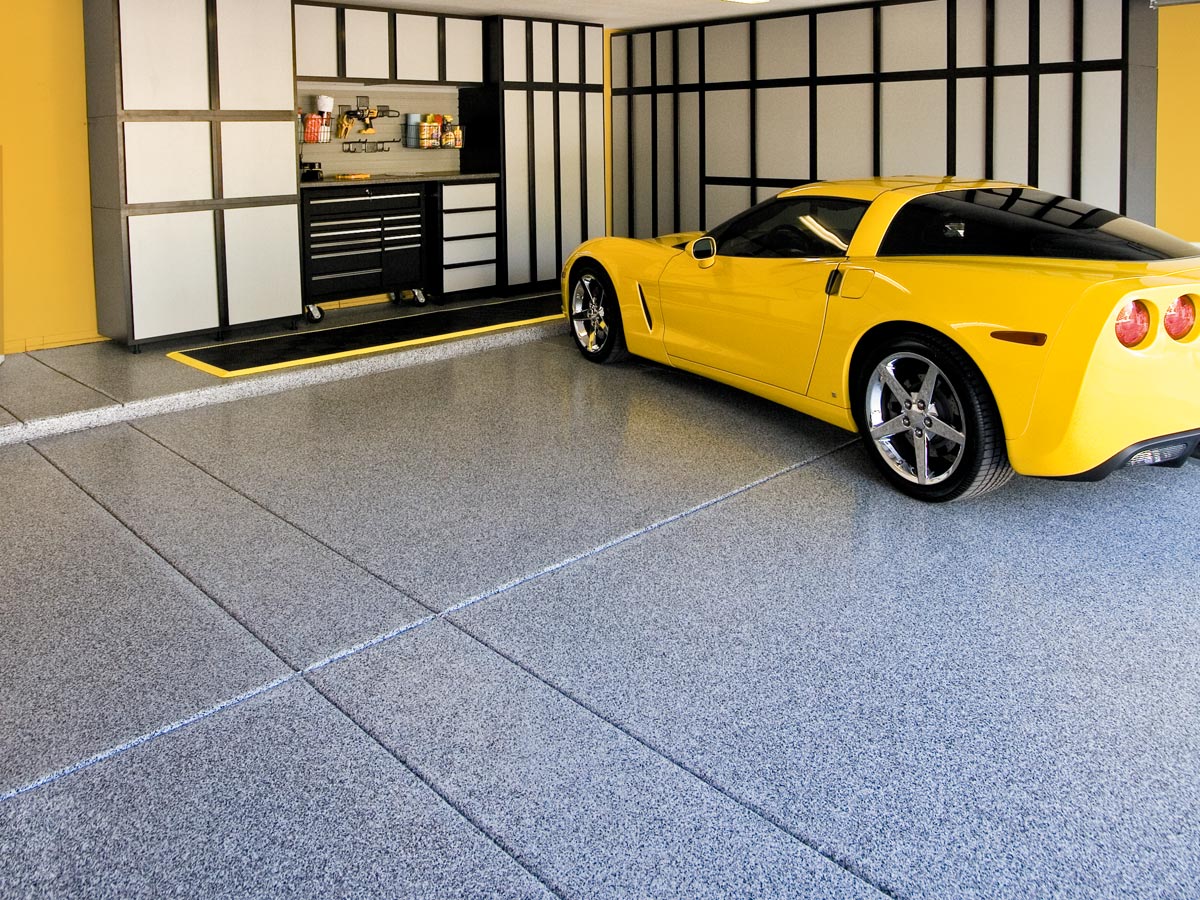
Good for residential garages, basements, and light commercial spaces where a natural look is desired with minimal film buildup.
Epoxy & Urethane Coatings
Best for industrial, healthcare, food service, and chemical-exposed environments. Require strict moisture control and surface prep.
Hybrid Systems
Combine densification, staining, and topical protection for performance with design flexibility.
Choosing the wrong system is not a cosmetic mistake—it’s an operational liability.
Also Read 👉🏼How to Choose Eco-Friendly Concrete Coatings?
Step Six: Maintenance Planning (The Step Everyone Ignores)
A durable concrete floor is not “maintenance-free.” It is maintenance-efficient.
Proper maintenance includes:
• Neutral-pH cleaners
• Avoiding harsh degreasers on polished floors
• Scheduled burnishing where applicable
• Resealing or recoating at manufacturer-recommended intervals
Facilities that follow maintenance protocols routinely see 2–3× longer floor life and significantly lower lifetime costs.
The 2026 Outlook: Smarter Concrete, Lower Impact, Higher Expectations
Concrete flooring is evolving fast.
Emerging trends include:
• Low-carbon cement formulations
• Advanced lithium densifiers with nano-silicate technology
• AI-assisted moisture diagnostics
• Stricter indoor air quality and VOC regulations
• Lifecycle-cost-driven flooring decisions over upfront pricing
Clients no longer want “done.” They want done right, once.
Final Word: Concrete Floors Are Systems, Not Surfaces
A concrete floor is not a single product. It is a sequence of decisions, each one stacking risk or resilience.
When slabs are assessed correctly, prepped mechanically, repaired intelligently, densified properly, and finished with purpose, concrete becomes one of the most durable, sustainable, and cost-effective flooring systems available.
Skip steps, rush prep, or chase shortcuts—and the slab will collect its debt later, with interest.
FAQ
1. How long should concrete cure before finishing?
Typically 28 days minimum, but moisture testing—not time alone—should determine readiness.
2. Can old concrete be polished or coated?
Yes, if structurally sound and properly prepped.
3. Is polished concrete slippery?
When properly finished, polished concrete meets or exceeds slip-resistance standards.
4. Do densifiers change concrete color?
They may slightly darken the surface but do not create color like stains.
5. What causes concrete coatings to peel?
Poor surface prep, excess moisture, or incompatible products.
6. Are sealers or coatings better for garages?
It depends on moisture levels, traffic, and chemical exposure.
7. How long do polished concrete floors last?
Decades, with proper maintenance.
8. Can cracks be completely eliminated?
No, but they can be managed and stabilized.
9. Is concrete flooring eco-friendly?
Yes, especially when existing slabs are reused and polished.
10. What is the biggest mistake in concrete floor finishing?
Underestimating preparation and moisture testing.