
The Overlooked Science of Surface Protection
Paste wax does not command headlines. It does not sound futuristic. It does not carry the mystique of nano-coatings or polymer composites. And yet, in commercial facilities, manufacturing plants, fabrication shops, restoration projects, and specialized industrial operations, wax remains one of the most reliable and adaptable surface technologies available.
At Perma, wax is not a commodity — it is engineered chemistry. For decades, Perma has developed paste and liquid wax formulations that move far beyond traditional floor polish. Their products function as mold-release systems, metal-surface protectants, friction modifiers, corrosion barriers, and specialty industrial coatings — all while maintaining the aesthetic performance expected from high-quality finishing products.
In 2026 and beyond, surface science is not about novelty. It is about reliability, efficiency, and lifecycle extension. And that is where precision-formulated wax systems continue to outperform expectations.
Understanding Paste & Liquid Wax: Functional Chemistry, Not Folk Remedy

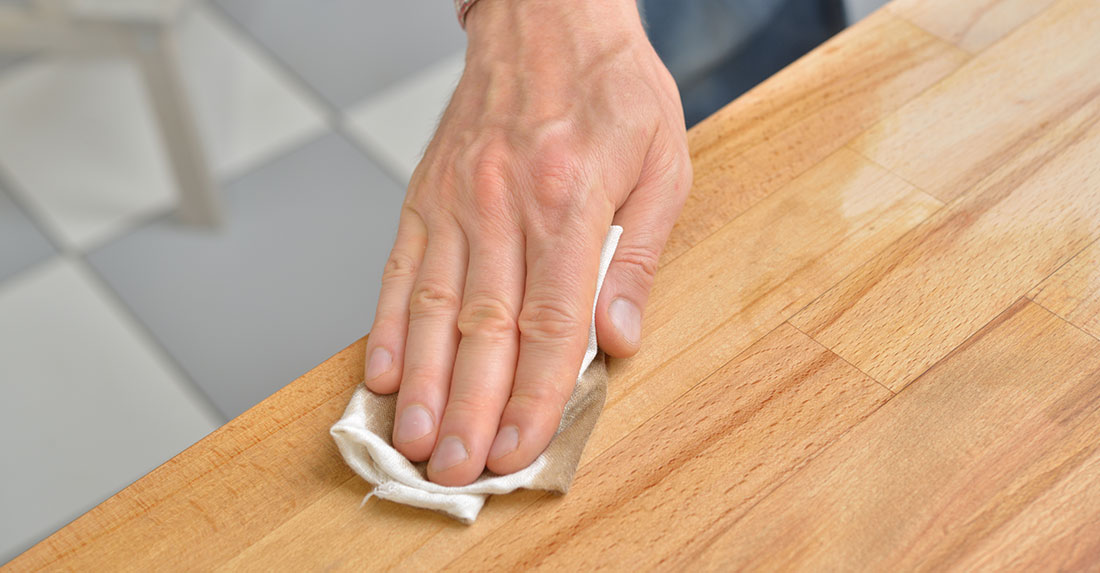
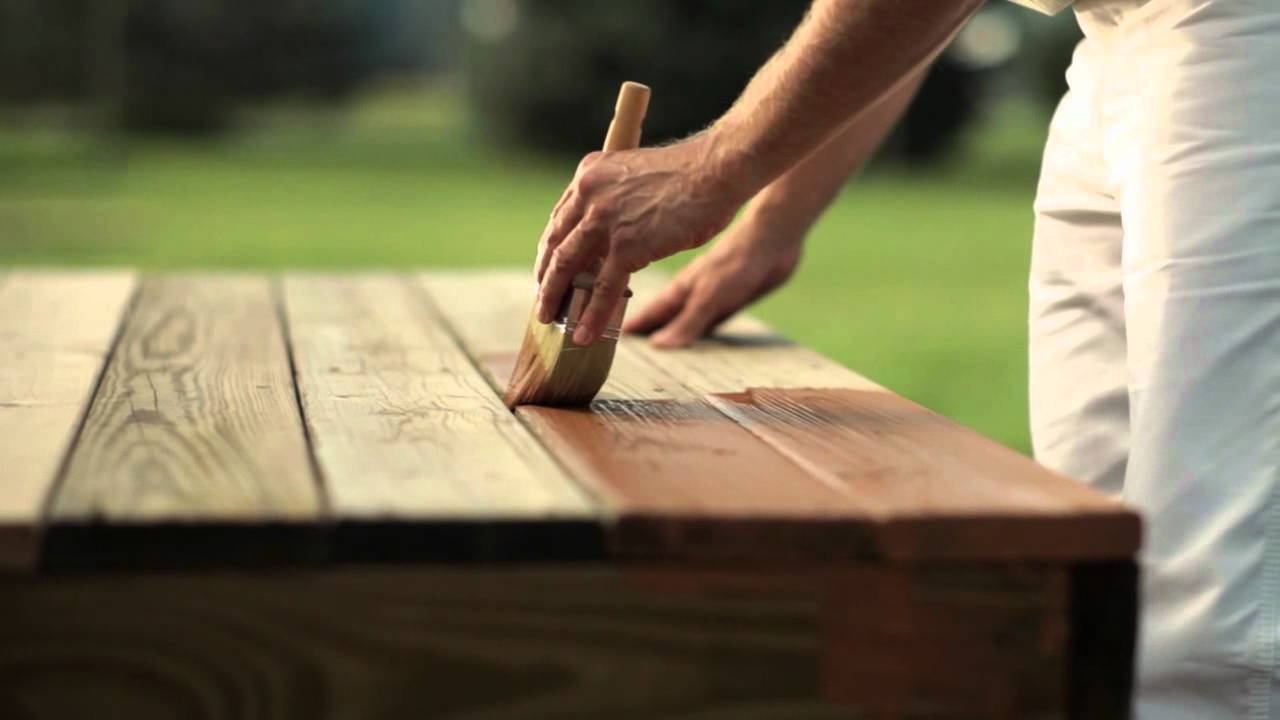
Paste and liquid waxes are engineered blends of natural waxes (such as carnauba), synthetic waxes, resins, and performance additives suspended in controlled carriers. When applied and buffed, these blends form a thin, uniform, hydrophobic (water-repelling) film that modifies surface energy.
In simple terms: wax changes how a surface interacts with its environment.
This film:
- Reduces moisture penetration
- Minimizes soil adhesion
- Decreases friction
- Creates a sacrificial wear layer
- Provides temporary corrosion protection
- Improves release properties in tooling
Unlike permanent coatings, wax films are intentionally serviceable. They can be reapplied, renewed, or removed as part of routine maintenance — making them ideal for facilities and industries that require adaptable protection.
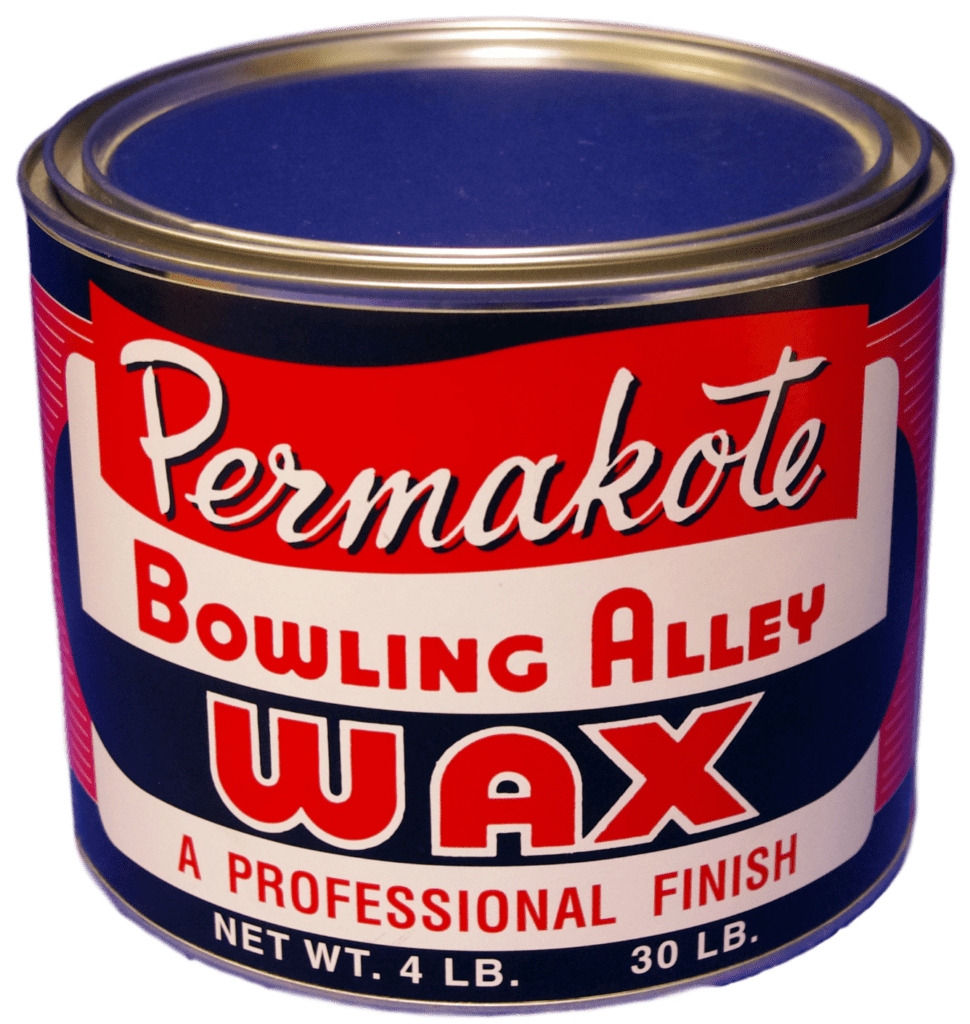
Perma’s Permakote #700 Paste Wax, detailed in its technical specifications, exemplifies this approach by delivering durability, gloss control, and substrate compatibility across multiple materials.
Also Read 👉🏼Why Paste Wax Is The Best Finish For Your Wood Projects?
Hardwood, Stone & Polished Concrete: Where It All Begins
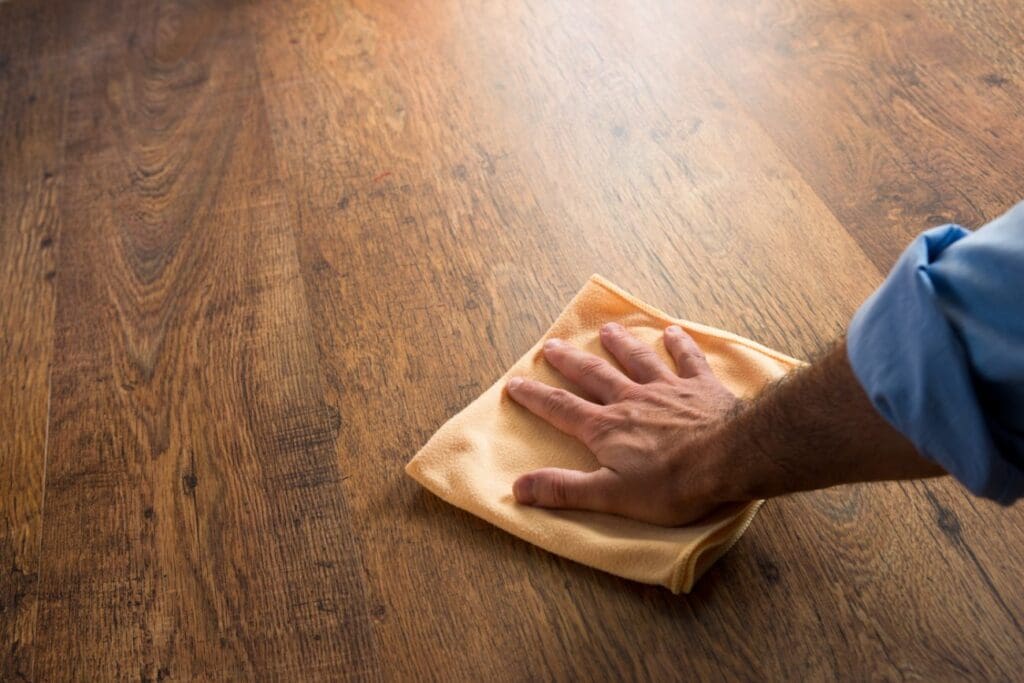
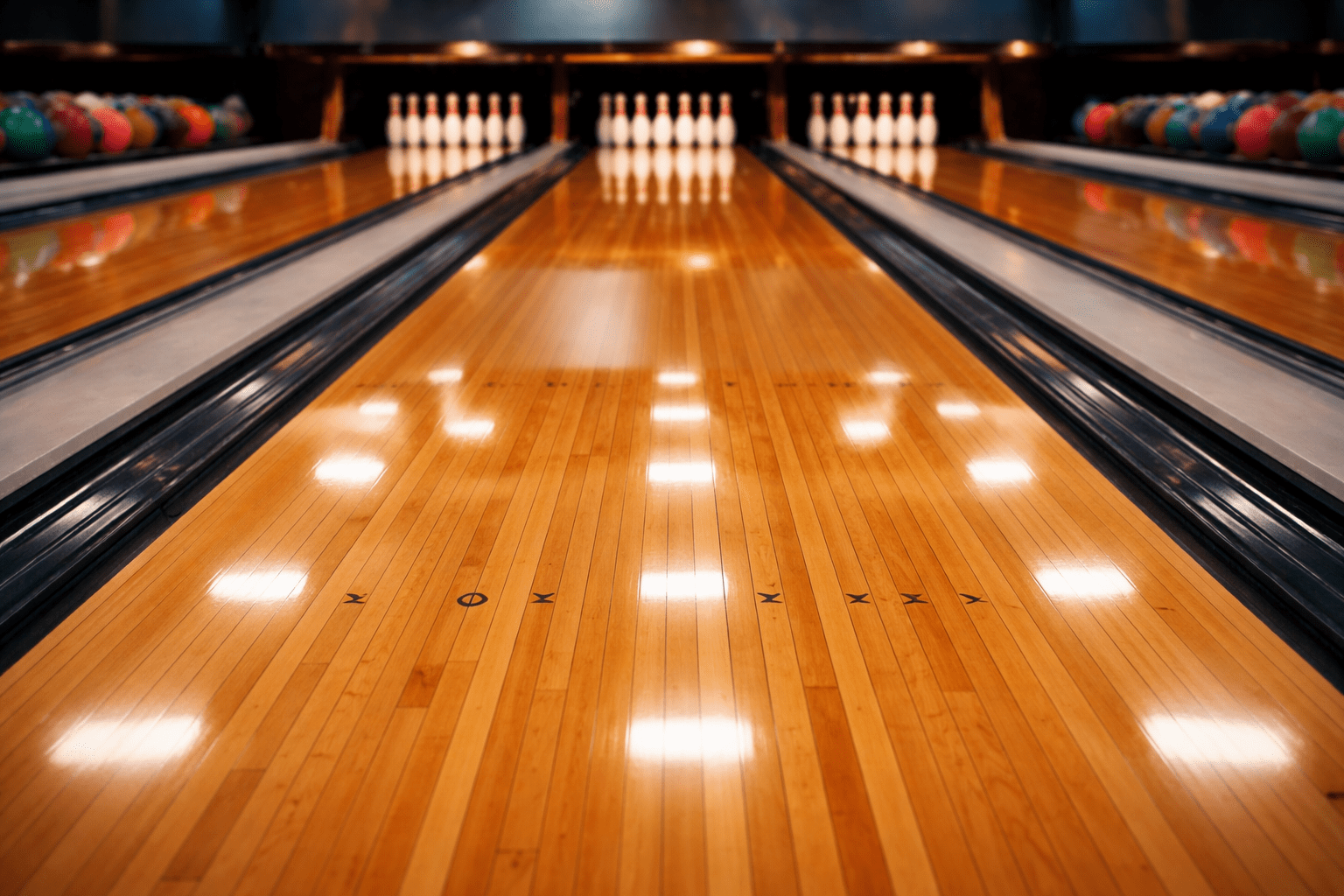
The traditional application of paste wax — wood flooring — remains one of its most technically demanding.
Hardwood floors experience:
- Abrasion
- Moisture cycling
- Chemical exposure from cleaners
- High-traffic wear patterns
A properly formulated paste wax acts as a renewable wear layer. Instead of allowing the wood fibers to absorb damage, the wax absorbs it first.
Perma’s wax formulations provide:
- Scratch resistance
- Soil resistance
- Moisture protection
- Controlled sheen (from satin to high gloss)
- Ease of buffing and maintenance
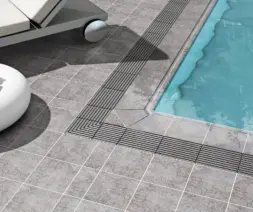
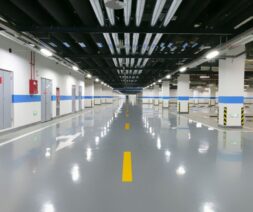
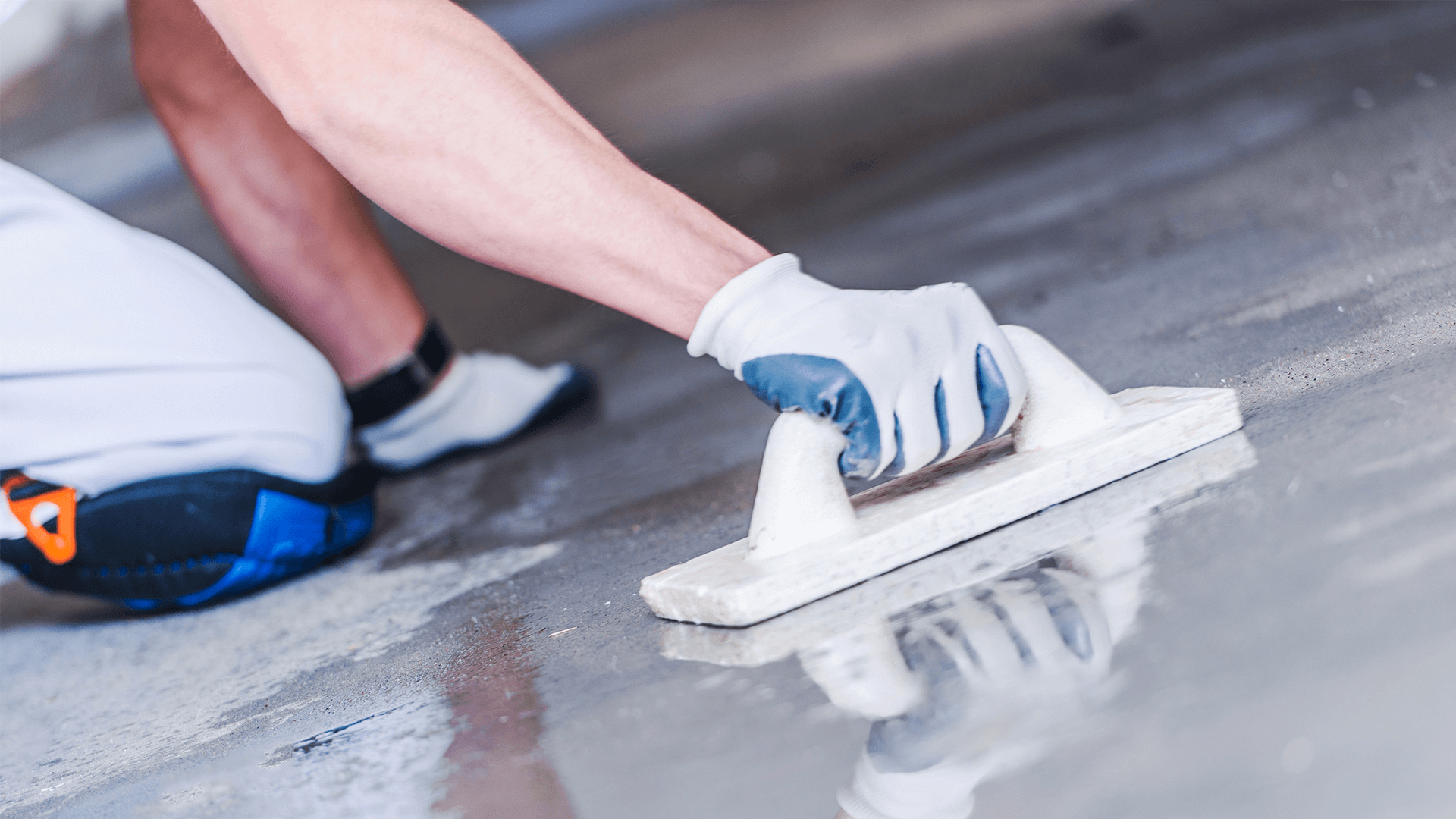
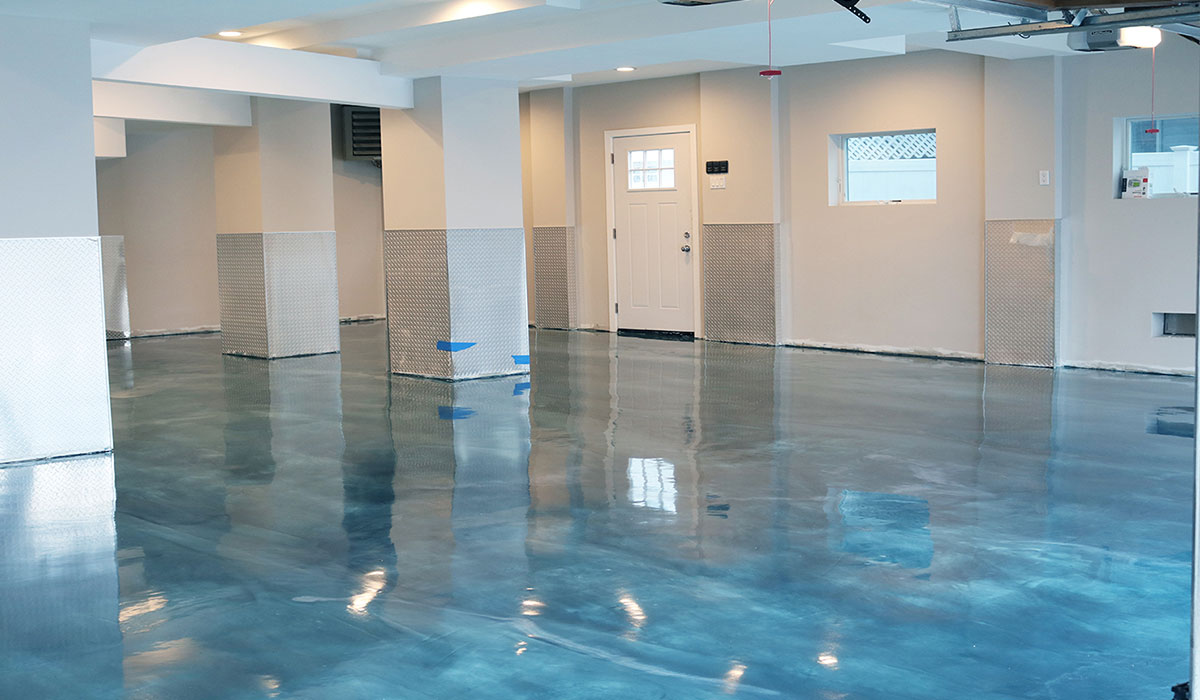
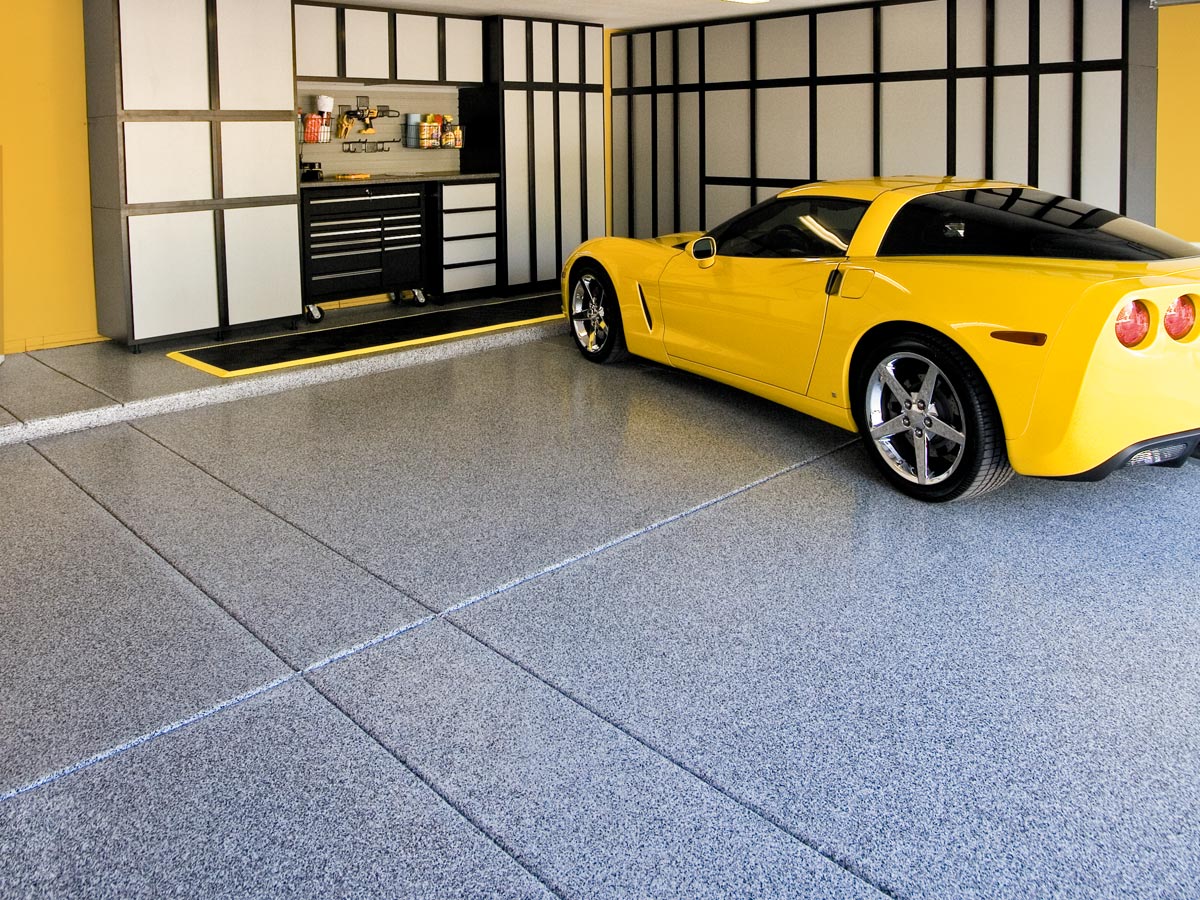
Polished concrete and natural stone benefit similarly. Wax enhances clarity and reflectivity while sealing micro-pores that would otherwise trap contaminants.
In commercial environments, this translates to lower lifecycle costs and reduced substrate degradation — two metrics that matter far more than temporary shine.
Industrial Mold-Release Applications: Precision Without Contamination
In manufacturing and fabrication, adhesion is not always desirable.
Molds used in:
- Composite fabrication
- Resin casting
- Polymer forming
- Specialty manufacturing
require consistent release performance. Even slight adhesion inconsistencies can damage parts, reduce throughput, or compromise surface finish.
Paste wax functions as a release agent by creating a low-surface-energy barrier. Materials cannot chemically bond to the mold surface because the wax interrupts that interaction.
The advantage of wax-based release systems lies in their:
- Predictability
- Ease of application
- Minimal residue
- Recoat flexibility
- Compatibility with multiple substrates
Perma’s formulations are engineered to maintain consistent release properties without contaminating finished parts — a crucial distinction in precision manufacturing.
Metal Surface Protection: Temporary Corrosion Barriers That Work
Metal oxidizes. That is thermodynamics doing its job.
In fabrication facilities, metal components may sit between machining, finishing, transport, or installation. During these transitional periods, surfaces are vulnerable to corrosion from humidity, condensation, and airborne contaminants.
Wax provides a temporary corrosion barrier by:
- Blocking moisture
- Limiting oxygen exposure
- Repelling contaminants
- Preventing direct environmental contact
Unlike heavy oil coatings, wax films can be applied thinly and removed cleanly when needed.
In environments where parts must remain visually clean, dimensionally precise, and residue-free, wax protection is often preferable to greases or solvent-heavy protectants.
Friction Reduction in Manufacturing & Mechanical Systems
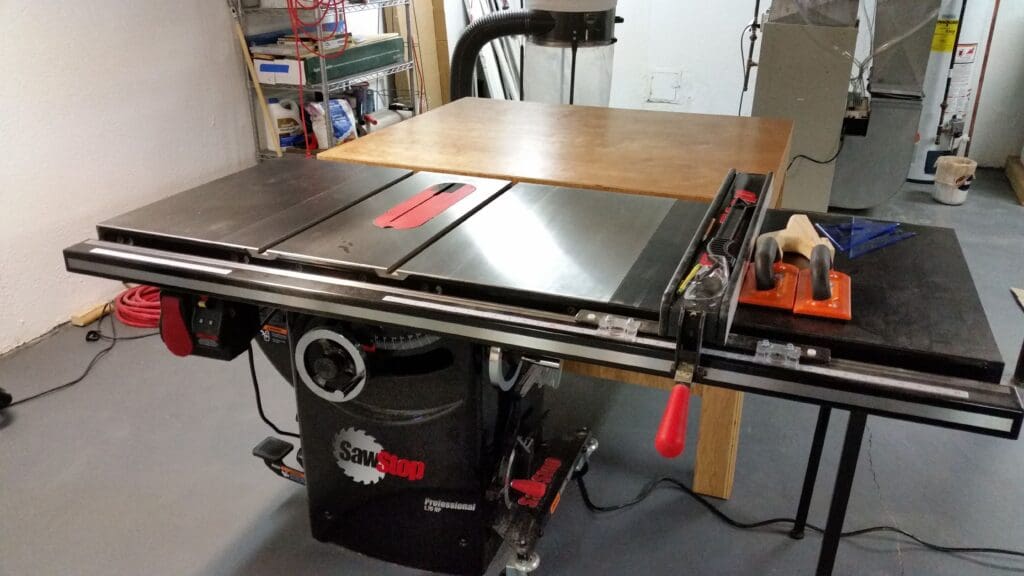
Surface friction drives wear, energy loss, and premature component failure.
In manufacturing lines, guide rails, fixtures, and moving assemblies, wax films can:
- Reduce sliding resistance
- Minimize abrasion
- Lower heat generation
- Extend maintenance intervals
This is not lubrication in the traditional oil-based sense. It is surface modification — reducing microscopic surface roughness and adhesion forces that cause drag.
Even modest friction reduction improves equipment lifespan and efficiency metrics. In high-volume operations, incremental improvements compound into measurable savings.
Also Read 👉🏼The Power of Paste Wax in Manufacturing and Industrial Applications
Specialized & Cross-Industry Applications
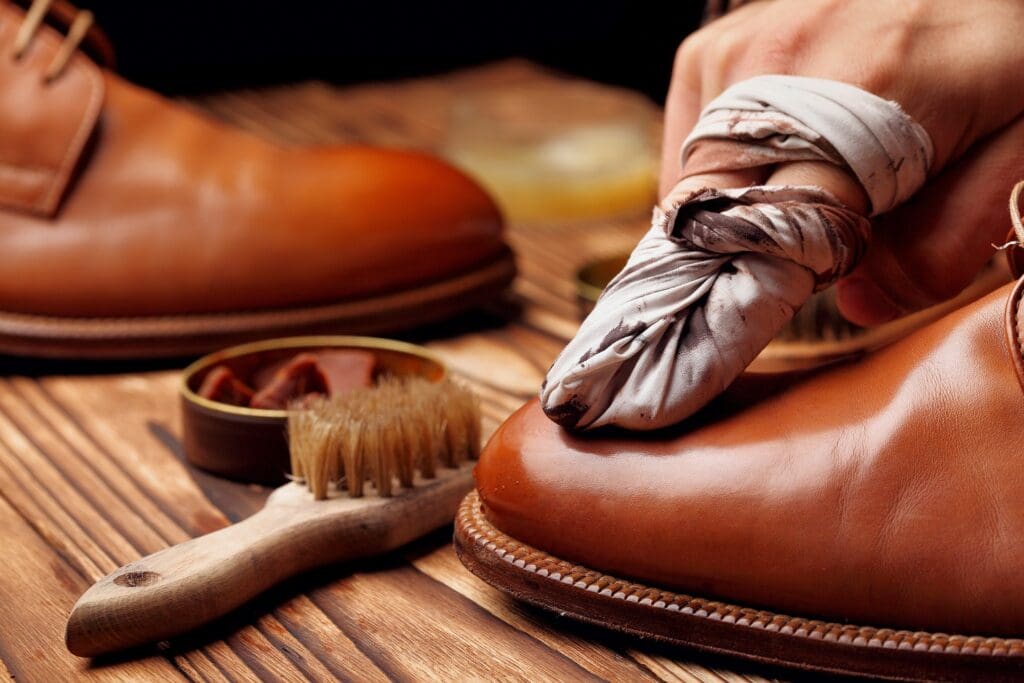
The versatility of Perma’s wax systems extends further than most realize:
- Leather conditioning and protection
- Surface enhancement for architectural materials
- Wire and cable assembly protection
- Tooling preservation
- Temporary protective coatings during shipping
The common thread is surface control. Wax modifies how materials interact — with water, with other materials, with mechanical motion, and with environmental stressors.
This versatility is not accidental. It reflects formulation precision and application expertise.
Quality & Formulation Integrity: Why Engineering Matters
Not all waxes perform equally.
Performance depends on:
- Wax blend composition
- Carrier system balance
- Film thickness control
- Cure characteristics
- Buffing behavior
- Environmental stability
Perma’s long-standing focus on specialty coatings ensures consistency batch after batch. Industrial users do not tolerate variability. Release agents must release. Protective films must protect. Surface finishes must remain uniform.
The reliability of a wax system often determines whether it becomes a trusted maintenance standard or a rejected experiment.
The 2026 Surface Protection Landscape: Why Wax Is Still Relevant
Emerging trends in industrial maintenance and facility management reinforce the continued importance of engineered wax systems:
- Increased lifecycle cost analysis
- Demand for renewable protective layers
- Reduced tolerance for heavy solvent systems
- Growing focus on maintainable, adaptable surface treatments
- Emphasis on sustainability and long-term asset preservation
High-tech coatings often promise permanence. But permanence is not always desirable. Serviceability matters.
Wax remains relevant because it is:
- Renewable
- Predictable
- Adaptable
- Cost-effective
- Surface-friendly
As industries push toward operational efficiency and material longevity, sacrificial surface systems like wax are not outdated — they are strategically intelligent.
Conclusion: The Quiet Performance Leader
Paste and liquid waxes may not dominate marketing campaigns, but they quietly underpin performance across industries.
From hardwood floors and polished concrete to metal fabrication, composite molding, friction control, and corrosion protection, Perma’s formulations demonstrate the breadth and technical sophistication of modern wax technology.
In an era obsessed with innovation for innovation’s sake, wax stands as a reminder that durability, versatility, and precision chemistry remain the foundation of effective surface science.
The unsung hero still earns its place.
(FAQs)
1. What industries use paste wax beyond flooring?
Manufacturing, composite fabrication, metalworking, leather treatment, and industrial maintenance all use paste wax for protection and surface control.
2. How does wax act as a mold-release agent?
It creates a low-surface-energy barrier that prevents materials from chemically bonding to mold surfaces.
3. Can paste wax protect metal from corrosion?
Yes. Wax forms a moisture-resistant barrier that limits oxygen exposure and environmental contact.
4. Is paste wax suitable for polished concrete?
Yes. It enhances sheen while providing a renewable protective wear layer.
5. How does wax reduce friction?
By filling microscopic surface irregularities and lowering adhesion forces between contacting materials.
6. What makes industrial wax different from consumer wax?
Industrial waxes are engineered for consistency, durability, and compatibility with demanding environments.
7. Is wax a permanent coating?
No. Wax is a renewable, sacrificial protective layer designed for maintenance flexibility.
8. Why use wax instead of oil for metal protection?
Wax provides cleaner application, easier removal, and less residue while still offering temporary corrosion protection.
9. Does paste wax improve equipment longevity?
Yes. By reducing friction and wear, it can extend maintenance intervals and component lifespan.
10. Where can I learn more about Perma’s formulations?
Visit https://perma.com/ for product specifications and technical information.